
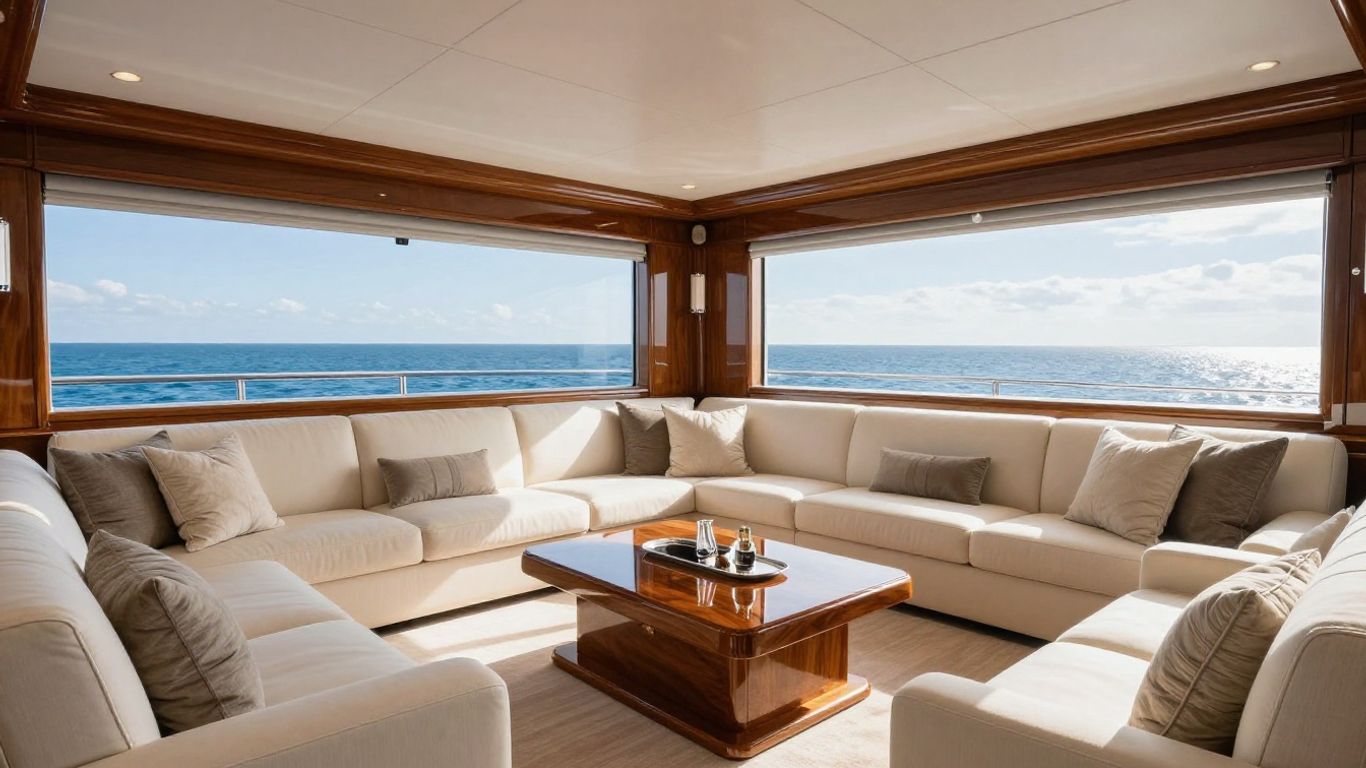
Building your own yacht is a pretty big deal, right? It’s more than just a boat; it’s like a floating statement about who you are and how you like to live. You start with a vision, and then it’s a whole process of turning that idea into something real on the water. We’re going to look at how the whole thing comes together, from the big picture down to the tiny details of yacht layout and interior design.
Key Takeaways
- Figuring out what you want your yacht for – like cruising or parties – is the first step before any design work begins.
- Choosing between a fully custom, semi-custom, or production yacht affects how much you can change things.
- Smart yacht layout is key to making sure everyone, guests and crew, can move around easily and use the space well.
- Interior design on a yacht is all about making it feel personal, using good materials, and creating a beautiful, functional space.
- Both the outside look and the inside comfort matter a lot, and good yacht layout makes sure everything works together.
Defining The Vision For Your Dream Yacht
So, you’re thinking about building a yacht. That’s pretty wild, right? It’s not just buying a boat; it’s like building your own floating mansion. Before you even start looking at fancy wood or plush sofas, you really need to figure out what you want this thing to do. Are you planning on sailing across oceans, or just weekend trips to that nice cove a few hours away? Who’s going to be on board? Your family? Friends? A whole crew? Thinking about these things helps shape everything that comes next. It’s about making sure the yacht fits your life, not the other way around.
Purpose And Lifestyle Considerations
This is where you get real about how you’ll actually use the yacht. Think about the kind of trips you envision. Are you the type to explore remote islands, or do you prefer the social scene at popular marinas? Maybe a mix of both? Your hobbies matter too. If you love diving, you’ll need space for gear and maybe even a small submersible. If entertaining is your thing, you’ll want plenty of deck space and comfortable lounging areas. It’s all about translating your daily life and your wildest dreams into what the yacht needs to offer.
- Long-range cruising: Requires robust build, ample storage, and comfortable living quarters for extended periods at sea.
- Coastal hopping: Focuses on accessibility, speed, and easy access to shore.
- Entertaining guests: Prioritizes social spaces, dining areas, and entertainment systems.
- Water sports enthusiast: Needs ample storage for tenders and toys, plus easy water access.
The yacht is more than just a vessel; it’s a reflection of your personal journey and aspirations. Every decision, from the grandest feature to the smallest detail, should align with the experiences you wish to create.
Custom, Semi-Custom, Or Production: Making The Right Choice
Once you have a clearer picture of your needs, you’ll face a big decision: custom, semi-custom, or production. A fully custom build means you’re involved in almost every detail, from the hull shape to the smallest interior fitting. It’s the ultimate personalization, but it takes time and a significant budget. Semi-custom yachts offer a middle ground; they’re built on a proven platform, but you get to customize the interior layout and finishes. This can be a good way to get a lot of personalization without starting entirely from scratch. Production yachts are built to a set design, offering a more straightforward and often quicker path to ownership, though with less room for unique modifications. Choosing the right path really depends on your budget, your timeline, and how much control you want over the final product. It’s a big choice that impacts the entire building process.
Translating Vision Into Blueprint
Getting your ideas from your head onto paper is the next big step. This is where you work with designers and naval architects. You’ll need to be able to communicate your vision clearly. Think about creating mood boards with images of styles, materials, and layouts you like. A detailed list of must-have features and even things you definitely don’t want can be super helpful. The more information you can provide, the better the design team can translate your abstract ideas into concrete plans. This stage is all about clear communication and collaboration to make sure the blueprints accurately represent the yacht you’ve been dreaming of. In 2025, many owners are looking for expansive, multi-functional layouts that offer a sense of freedom and adaptability.
Mastering Yacht Layout And Spatial Design
When you’re thinking about your dream yacht, the layout is probably one of the first things that comes to mind, right? It’s not just about fitting in a bunch of rooms; it’s about how everything flows and how you actually use the space. Getting the spatial design right is key to a yacht that feels both luxurious and practical.
The Art Of Efficient Space Planning
Think of yacht design like building a really intricate puzzle. You’ve got a limited area, and you need to make sure every piece fits perfectly. This means figuring out the best way to arrange cabins, saloons, and utility areas so nothing feels cramped or wasted. It’s about smart placement, making sure you have enough room to move around comfortably, and also thinking about how the yacht will be used day-to-day. For smaller vessels, this becomes even more important, where every square foot counts. You want to maximize light and keep traffic flow simple, using furniture and features that can do double duty. Effective small yacht interior design prioritizes these kinds of smart solutions.
Balancing Owner And Crew Routing
This is a big one that often gets overlooked by people new to yachting. You need separate pathways for the owners and guests versus the crew. The owner’s areas should feel private and serene, while the crew needs efficient routes to do their jobs without disturbing anyone. This means thinking about stairs, corridors, and access points very carefully. It’s about making sure the crew can serve guests smoothly and keep the yacht running perfectly behind the scenes, all while remaining largely invisible. This careful planning ensures a better experience for everyone on board.
Creating Flow Between Decks And Zones
How do you move from the main deck to the flybridge, or from your stateroom to the dining area? The connections between different parts of the yacht are super important. Good flow means you don’t feel like you’re constantly bumping into things or taking awkward routes. It’s about creating a natural progression from one space to another, whether you’re heading outside to enjoy the sun or moving inside for dinner. This also applies to how different zones on the yacht connect – like how the galley relates to the dining area, or how the main saloon opens up to the aft deck. It all contributes to the overall feeling of spaciousness and ease of use. Designing luxurious yacht interiors requires this meticulous balance of space and function.
The goal is to make the yacht feel bigger and more open than it actually is, using clever design tricks to guide the eye and create a sense of spaciousness. This involves careful consideration of sightlines, the placement of furniture, and the use of light and mirrors.
Crafting Bespoke Yacht Interiors
Reflecting Owner Personality And Ambitions
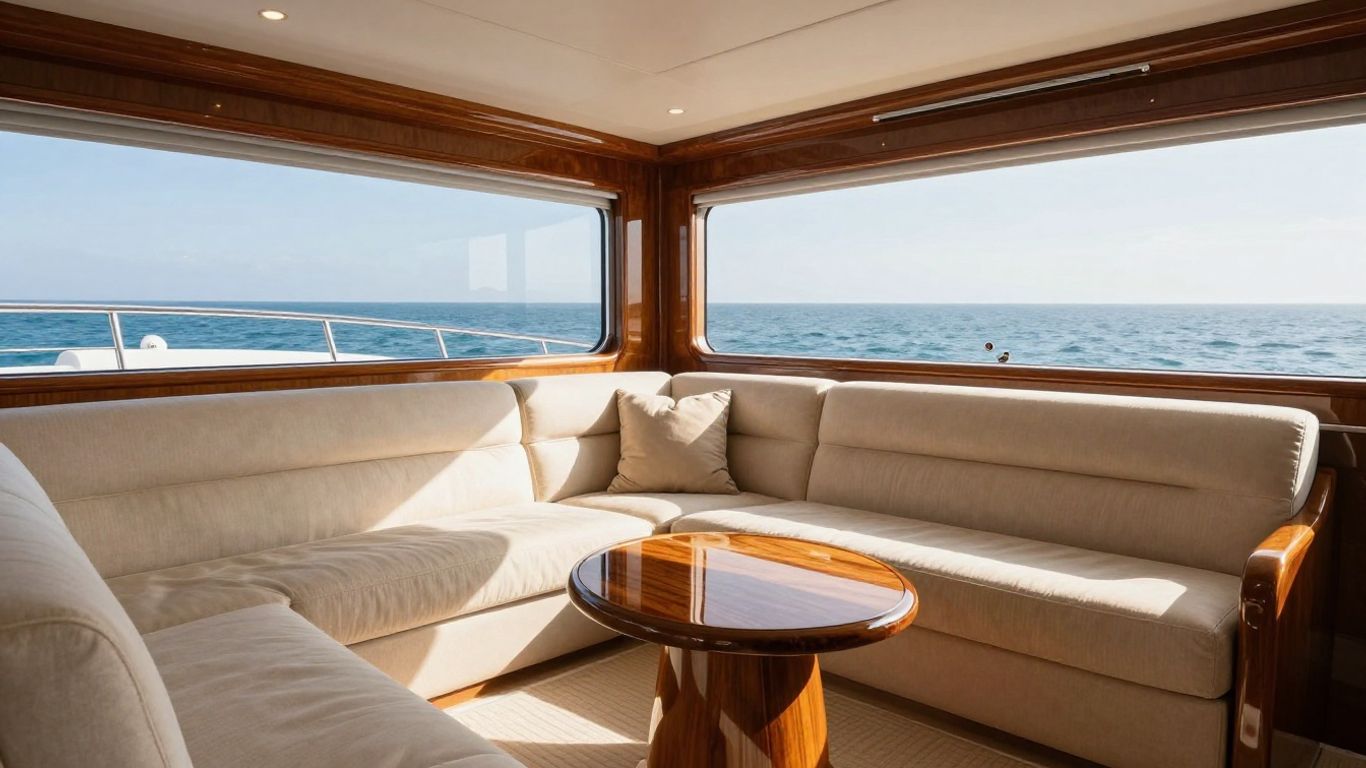
When you’re designing the inside of your yacht, it’s not just about picking out furniture and paint colors. It’s about making the space truly yours. Think about what you love, what inspires you, and how you want to feel when you’re on board. Your yacht’s interior should be a personal statement, a reflection of your unique journey and aspirations. This means digging a little deeper than just surface-level style. Are you drawn to the quiet elegance of minimalist design, or do you prefer the rich textures and vibrant colors of a more bohemian vibe? Maybe you’re an avid traveler who wants to bring the spirit of far-off lands into your living spaces. Whatever it is, the goal is to create an environment that feels authentic and deeply personal.
Integrating Rare Materials And Craftsmanship
Beyond personal taste, the materials and the way they’re put together make a huge difference. We’re talking about going beyond the usual. Think about using exotic wood veneers, hand-finished metals, or even custom-made textiles. It’s the attention to detail that really sets a bespoke interior apart. This could involve intricate marquetry, hand-stitched leatherwork, or bespoke metal inlays. These elements add a layer of luxury and uniqueness that you just can’t find in mass-produced items. It’s about working with craftspeople who understand the nuances of working with high-end materials and can bring intricate designs to life. This level of detail is what transforms a beautiful space into something truly extraordinary, a testament to skilled artistry.
The Yacht As A Total Work Of Art
Ultimately, the interior design of a yacht is about creating a cohesive experience. It’s not just about individual rooms; it’s about how everything flows together, inside and out. The goal is to make the entire vessel feel like a single, unified piece of art. This means considering how the interior design complements the exterior lines of the yacht, how the lighting enhances the mood, and how every element, from the furniture to the smallest decorative piece, contributes to the overall aesthetic. It’s about achieving a harmony where the yacht feels like a complete and intentional creation, a true reflection of its owner’s vision and a masterpiece of design and engineering.
The best yacht interiors don’t just look good; they tell a story. They are spaces that invite you to relax, to connect, and to experience the joy of being at sea in a way that feels completely natural and personal. It’s about creating a sanctuary that is both beautiful and functional, a place where memories are made.
Here’s a look at some elements that contribute to a bespoke interior:
- Material Selection: Choosing unique and high-quality materials like rare woods, natural stones, and premium fabrics. Discover exquisite yacht interior designs.
- Custom Furnishings: Designing and building furniture specifically for the yacht’s dimensions and the owner’s comfort.
- Art Integration: Incorporating art pieces that align with the owner’s personality and the overall design theme.
- Lighting Design: Crafting a lighting scheme that enhances the ambiance and highlights key features.
- Sustainable Choices: Increasingly, designers are looking at renewable materials that are both beautiful and environmentally conscious.
Designing Functional Yacht Spaces
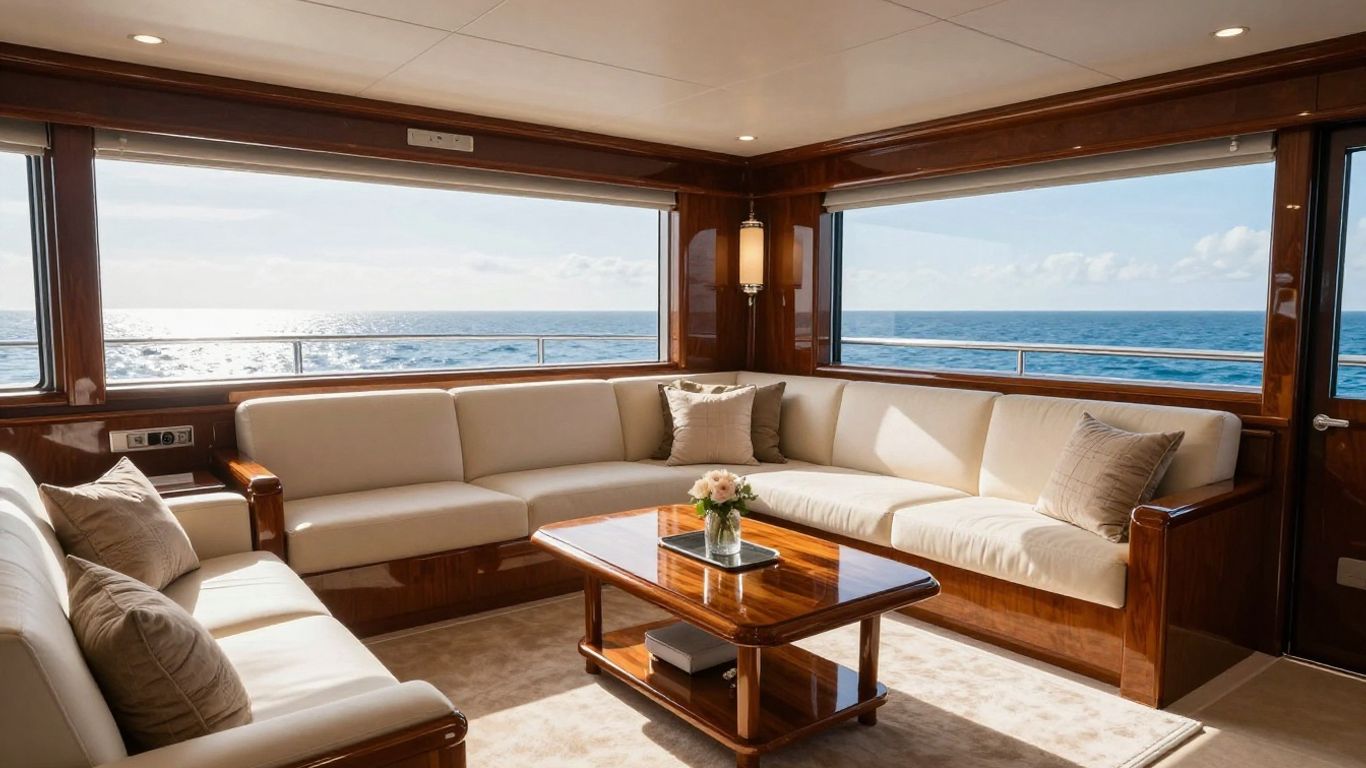
When you’re thinking about a yacht, it’s not just about how it looks from the outside or the fancy furniture inside. It’s also about making sure everything actually works well, day in and day out. This means looking closely at how spaces are used and how people move around.
Optimizing Small Spaces For Maximum Impact
Boats, by nature, have limited room. So, designers have to be really clever about making every inch count. Think about multi-purpose furniture that can fold away or transform. Maybe a dining table that can also serve as a coffee table, or beds that tuck into the walls when not needed. Storage is another big one; custom cabinets and hidden compartments can make a huge difference in keeping things tidy. Clever design can make even a small cabin feel spacious and useful. It’s all about smart solutions that don’t get in the way of living.
The Crucial Role Of The Yacht Galley
The galley, or kitchen, on a yacht is way more than just a place to cook. It’s often the heart of the crew’s operation and can even be a social spot. It needs to be super efficient, with everything easily accessible, even when the boat is moving. Good ventilation is a must, and durable surfaces that are easy to clean are key. You’ll want enough counter space for prep work and storage for all the food and supplies needed for a trip. Some owners even like to have a bit of interaction with guests in the galley, so the layout needs to consider that too. It’s a real balancing act between professional-grade functionality and a comfortable working environment.
Creating Harmonious Indoor-Outdoor Transitions
One of the best parts of being on a yacht is enjoying the water and the scenery. So, making it easy to move between the inside and the outside is super important. This could mean big sliding doors that open up a salon to the aft deck, creating one large entertaining area. Or maybe it’s about having comfortable seating areas just outside the main living spaces. Good lighting that works both inside and out also helps blend the spaces. It makes the whole yacht feel bigger and more connected to the environment. This kind of thoughtful layout really makes a difference in how you experience the boat. Yacht interior design often focuses on this connection.
Making spaces work hard is the name of the game on a yacht. It’s about being practical without sacrificing comfort or style. Every area needs to serve its purpose efficiently, whether it’s a tiny storage locker or the main salon.
Exterior Design And Deck Layout
Hull Design: Foundation Of Performance
The hull is basically the boat’s body, and it’s super important for how the yacht moves through the water. Think of it as the foundation. The shape and how it’s built really affect its speed, how stable it is, and how well it handles. You’ve got different types, like displacement hulls that are built for smooth, long trips and are really fuel-efficient, or planing hulls that are made for going fast. Then there are catamaran hulls, which have two hulls side-by-side, offering great stability and a lot of deck space. The material used for the hull – like fiberglass, aluminum, or steel – also plays a big role in its weight, strength, and how much upkeep it needs. Picking the right hull is key to making sure your yacht performs well and lasts a long time.
Deck Layout For Socializing And Relaxation
Above the hull, you have the decks, which are your main outdoor living areas. These spaces are designed to be both functional and good-looking, turning them into spots for hanging out and entertaining. You’ll often find big areas for sunbathing, maybe an infinity pool, hot tubs, and shaded spots to chill. The layout is planned so people can gather easily, with dining spots and bars that fit right in. For bigger yachts, things like helipads or even outdoor movie areas can be added for extra luxury. Designers pay attention to every little detail, from the wood on the floor to the railings, making sure everything looks good and holds up well. It’s all about creating a great outdoor vibe. You can explore different yacht floor plans and superyacht deck designs to get a feel for what’s possible.
Integrating Luxury Amenities On Deck
When it comes to deck layout, it’s not just about where people sit; it’s about what you can do out there. Modern yacht decks are designed with comfort and flexibility in mind, making it easy to move around and enjoy the outdoors. Thoughtful planning means details that make your time on board better, creating a really nice outdoor living space. This could mean:
- Sun Decks: Large, open areas perfect for soaking up the sun, often with comfortable loungers.
- Entertainment Zones: Areas set up for dining al fresco, with grills, bars, and seating arrangements for groups.
- Water Access: Features like swim platforms or beach clubs that make it easy to get into the water.
- Relaxation Spots: Shaded lounges, conversation pits, or even quiet nooks for reading.
The goal is to make the outdoor spaces feel like an extension of the interior, offering different experiences for different moods and activities, all while keeping things practical and beautiful. Thoughtful layouts consider details that enhance the buyer’s experience, ensuring a superior outdoor living environment.
It’s about making sure the deck works for how you want to use your yacht, whether that’s hosting parties or just enjoying a quiet sunset. The best designs balance practical needs with creating a sense of escape and luxury.
The Nuances Of Yacht Interior Design
Navigating Design Styles And Owner Preferences
When it comes to yacht interiors, it’s not just about picking pretty fabrics. It’s about creating a space that feels like you. Think about how you want to use the yacht. Is it for quiet escapes, lively parties, or exploring far-flung places? Your personal style and how you plan to live on board are the starting points. Some owners lean towards a minimalist, modern look, while others prefer something more traditional or even eclectic. The best designs blend the owner’s personality with the yacht’s inherent capabilities. It’s a bit like choosing clothes – you want something that fits well and makes you feel good.
The Impact Of Color And Texture
Color and texture play a huge role in how a space feels. A yacht interior isn’t just a room; it’s an experience. Light, airy colors can make smaller spaces feel bigger and more open, perfect for those sunny days at sea. Deeper, richer tones can create a cozy, intimate atmosphere for evenings. Texture adds another layer. Think about the feel of soft linens, the smooth coolness of polished wood, or the subtle grain of natural stone. These elements work together to create a mood. For instance, a calming blue palette with soft, woven textures might evoke the ocean, while warm wood tones and plush fabrics could bring a sense of a comfortable lodge.
Choosing The Right Materials For Durability And Aesthetics
Materials on a yacht have a tough job. They need to look good, but they also have to stand up to the marine environment – salt, sun, and constant use. This means designers often look for materials that are both beautiful and practical. Natural stones like marble are popular, but they might be used in thinner, lighter forms to reduce weight. High-quality woods, durable fabrics that resist fading and moisture, and specially treated metals are common choices. It’s a balancing act between achieving the desired look and making sure the interior will last and remain easy to maintain. You want that luxurious feel without constant worry about wear and tear. This is where understanding the practical side of yacht interior design strategies really comes into play.
The goal is to create an interior that feels both like a personal sanctuary and a functional vessel, harmonizing aesthetics with the realities of life at sea. It’s about making the yacht feel like a true home away from home, reflecting the owner’s journey and aspirations.
Bringing Your Vision to Life
So, we’ve looked at how to make a yacht feel like home, but also like a high-performance machine. It’s a lot to think about, right? From picking the right materials to making sure there’s enough space for everyone and everything, it all adds up. The goal is to create a boat that’s not just pretty, but also works well and feels right for whoever owns it. It’s about making that dream a reality, one detail at a time. If you’re serious about building your own, talking to the folks who do this for a living is definitely the way to go. They can help turn those ideas into something you can actually sail on.
Frequently Asked Questions
What's the first step in designing my dream yacht?
Before you even think about drawings, you need to figure out what you want the yacht for. Will you go on long trips across the ocean, or just short weekend getaways? Who will be on board? Thinking about how you’ll use the yacht helps decide its size and style.
Should I get a fully custom, semi-custom, or production yacht?
A fully custom yacht is built exactly how you want it, with every detail made just for you. A semi-custom yacht uses a pre-made design but lets you change the inside and features. A production yacht is already designed and built, so it’s faster to get but has fewer options for changes.
How do designers make small spaces on a yacht feel bigger?
Designers use smart tricks like clever storage, choosing furniture that doesn’t take up too much room, and using light colors to make small areas feel more open and less crowded. They plan everything carefully so every inch is used well.
Why is the yacht's galley (kitchen) design so important?
Just like in a house, the galley is a busy place on a yacht. It needs to be set up so the chefs can cook great meals efficiently. Designers think about where to put appliances, how much counter space is needed, and how the crew will serve food without getting in the way of guests.
How does the hull shape affect a yacht's performance?
The hull is like the yacht’s body. Its shape changes how it moves in the water. Some hulls are made for smooth, long trips, while others are built for speed. The material it’s made from also matters for how strong and heavy it is.
What's the difference between yacht interior design and home interior design?
While both involve making spaces look good, yacht interiors have unique challenges. Designers must consider the rocking motion of the sea, limited space, and the need for durability. They also focus on making the yacht feel like a personal retreat that truly reflects the owner’s style and passions, often using special materials and craftsmanship.