Key Takeaways
Embarking on a journey through the British Virgin Islands requires careful preparation to ensure a seamless experience. These insights will help you navigate your voyage with sophistication and ease.
- Prioritize the Sir Francis Drake Channel for its iconic line-of-sight navigation and accessible beauty.
- Choose between catamaran and monohull vessels based on your crew’s preference for stability or traditional performance.
- Master local anchorage etiquette to protect delicate coral reefs while securing your vessel.
- Align your arrival with local events like the BVI Spring Regatta for an added layer of island excitement.
- Rely on professional charter management to handle complex logistics and entry protocols efficiently.
Planning your BVI sailing itinerary
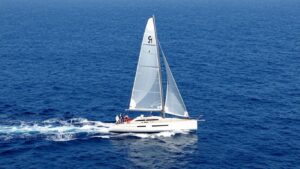
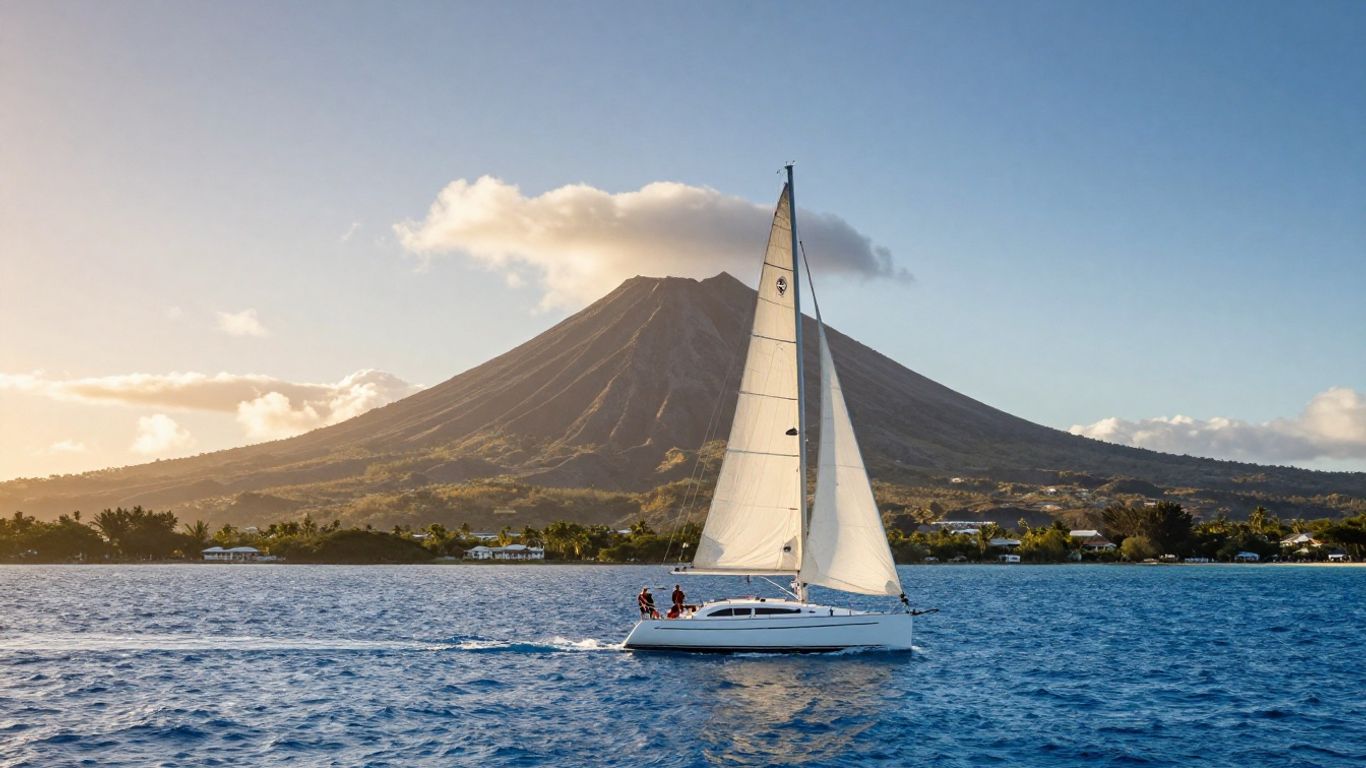
The islands offer a unique sanctuary for those seeking world-class adventure across the Caribbean. When engaging in bvi sailing, it is essential to craft a route that balances iconic landmarks with the serene solitude of hidden coves. YachtJourney assists discerning clients in curating bespoke voyages that capture the essence of this marine paradise, ensuring every stop feels intentional and rewarding.
Exploring the Sir Francis Drake Channel
The most popular route navigates the protected waters between the islands, where navigation is clear and visually stunning. Whether you are consulting an ultimate sailing guide or looking at local charts, you will find this channel serves as the central artery for your entire trip. It allows for shorter hops between islands, leaving ample time for recreational activities or an indulgent Swedish Massage back at your base.
Balancing relaxation and island hopping
Life aboard a luxury charter is designed for rejuvenation, yet the lure of local exploration remains strong. Many travelers find that a balanced pace includes morning coastal cruising followed by leisurely afternoons at anchor. YachtJourney ensures that your itinerary remains fluid, allowing for spontaneous additions to your trip like a sophisticated Anniversary dinner onshore or simply lounging under the shade provided by Arkel canopies on deck.
Customizing routes based on crew experience levels
Experience varies widely among charter parties, so we tailor your navigation plan to suit everyone on board. A crew with less experience might focus on shorter passages and well-marked anchorages, while seasoned adventurers may opt for more demanding offshore legs. We prioritize the comfort of all guests, much like the comprehensive approach to wellness found in professional pediatric care services, ensuring safety and confidence at every turn.
- Establish clear communication expectations for all crew members before departure.
- Design routes that guarantee arrival at protected mooring fields before sunset.
- Incorporate alternate weather-dependent destinations to maintain flexibility.
- Ensure the captain’s vision for the voyage aligns with the guest’s desire for adventure.
Following a structured path while remaining adaptable ensures your time remains focused on enjoyment and discovery, far removed from the stress of typical travel logistics.
Choosing the perfect yacht for your charter
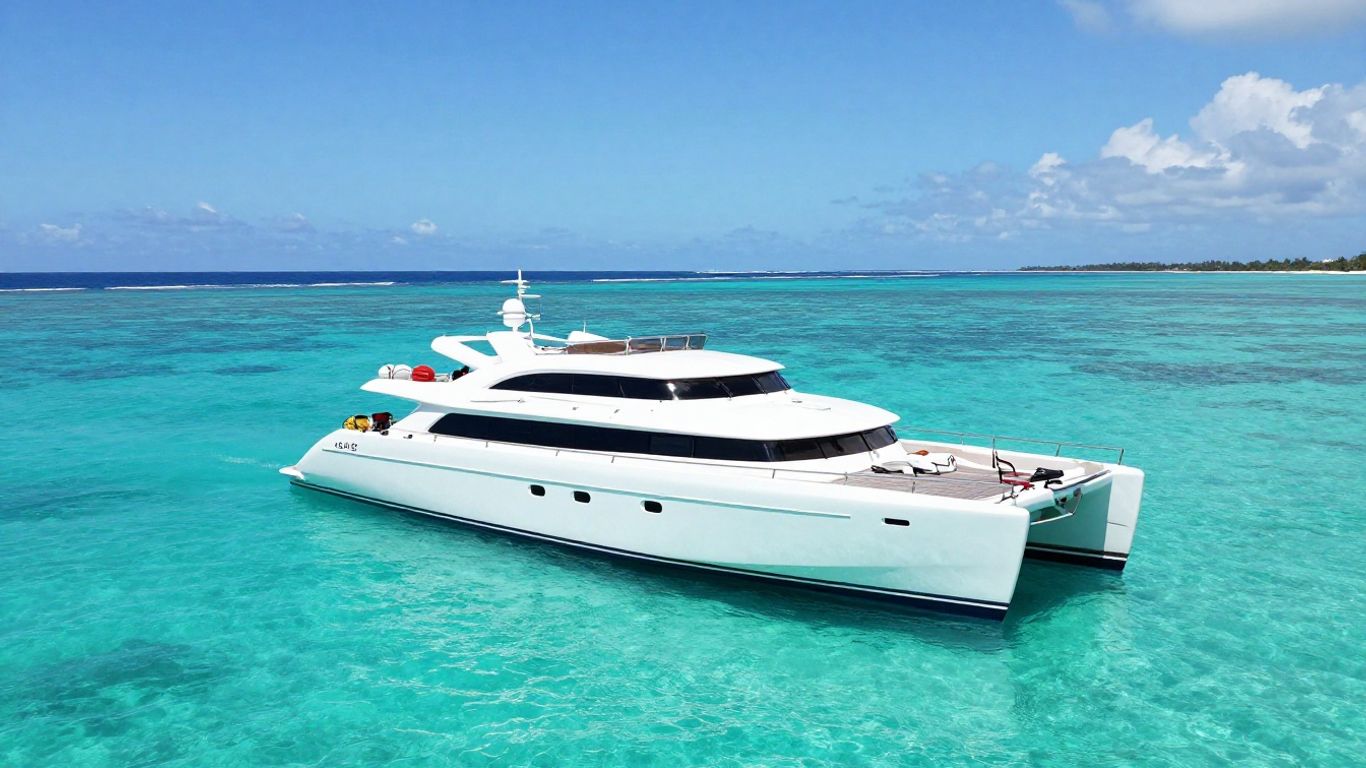
Selecting the right vessel is the foundation of your journey, blending performance with the amenities needed for total comfort. As you prepare for your voyage, consider how your choice of boat defines your interaction with the sea and the islands.
Differences between catamarans and monohulls
Choosing the right boat type is a significant decision. The table below illustrates the common trade-offs between two primary vessel categories often available through BVI Yacht Charters and The Moorings.
| Feature | Catamaran | Monohull |
|---|---|---|
| Stability | High platform stability | Traditional heeling sensation |
| Living Space | Expansive deck and salon areas | Cozy and intimate interior layout |
| Performance | Often faster downwind | Superior upwind capability |
| Maneuverability | Easy twin-engine control | High precision tracking |
Selecting a vessel hinges on whether you value wide, open deck spaces for socializing or the classic, tactile experience of sailing a leaning monohull into the breeze.
Bareboat versus crewed charter options
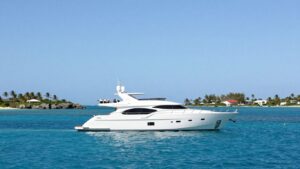
For those who prefer total autonomy, a bareboat arrangement provides the freedom to captain your own ship, provided you possess the requisite experience. Alternatively, opting for a fully crewed charter allows you to focus on the vistas while professional staff handles every detail, including the navigation and culinary requirements. Both paths offer access to the same breathtaking archipelagos, though the crewed experience tends to cater more toward total luxury and effortless hosting.
Understanding charter company inclusions and exclusions
Transparency is vital when booking your vessel to avoid hidden costs. Always review the terms provided by Dream Yacht Charter to understand what is included in the base fee, such as linens or dinghy usage, versus add-on services. Much like the clear and protected data policies at Simply Financial Inc, professional charter partners ensure that your financial commitments remain straightforward and secure throughout your journey.
Essential BVI sailing navigation tips
Navigating these waters requires an appreciation for both local knowledge and precise instrumentation. You should constantly monitor your position to avoid shallow reef areas that are not always immediately visible.
Managing mooring balls and anchorage etiquette
Securing your yacht in a crowded mooring field requires patience and steady nerves. Always check for proper anchoring gear before your trip and familiarize yourself with the regional laws regarding vessel placement to prevent damage to the seabed.
Understanding prevailing trade winds and currents
Trade winds consistently blow from the east, influencing your choice of direction and timing. Sailing downwind is generally gentle and pleasant, a truly magnificent island hopping experience that defines the Caribbean spirit. Always plan your major moves with the wind to conserve energy and keep the sailing smooth for your guests.
Utilizing local charts and digital navigation tools
While modern GPS systems are reliable, they do not replace the intuition gained from reading physical charts. Combine these tools to stay informed about depth changes and potential hazards that digital screens might fail to emphasize.
When to visit the British Virgin Islands for sailing
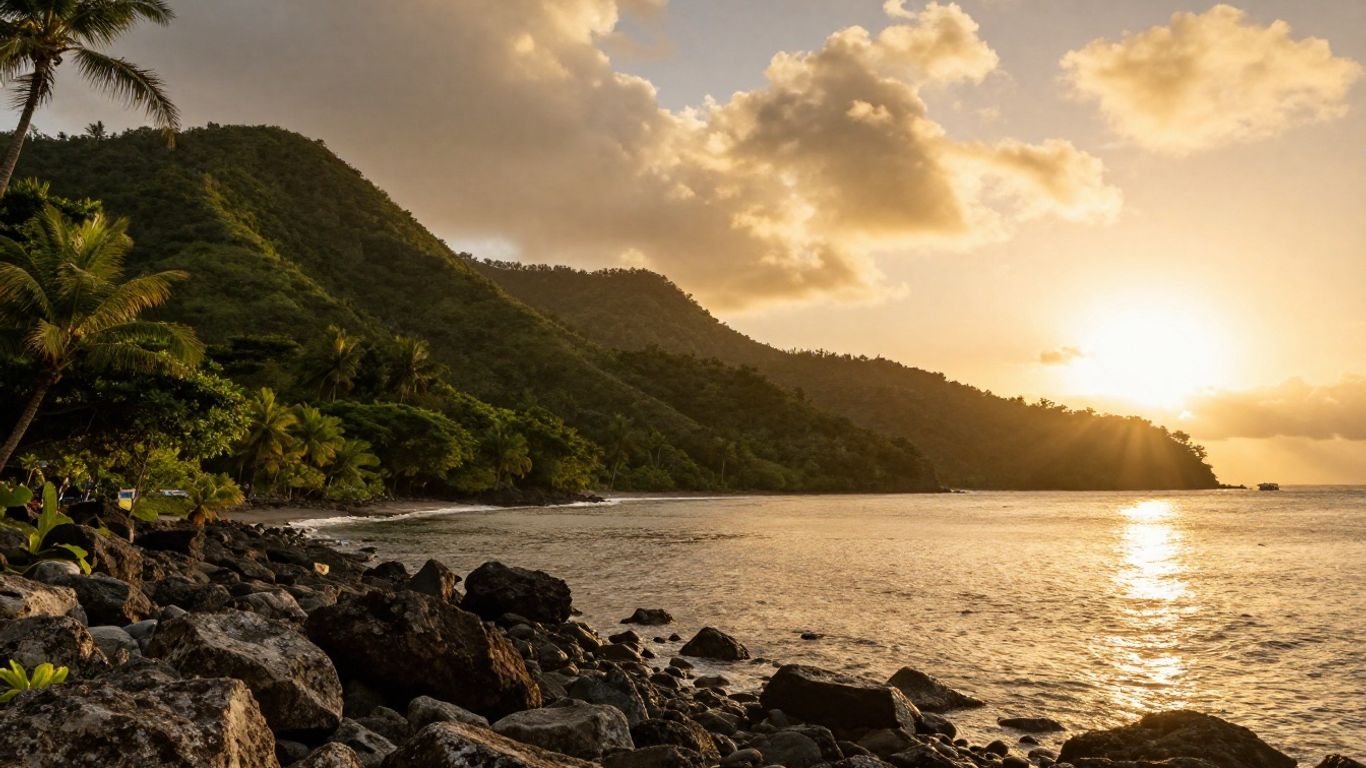
Timing your visit is just as important as choosing the perfect boat. You must balance the desire for stable, pleasant sailing weather against the seasonal shift in tourist volume.
Peak season versus low season trade-offs
High season offers the most reliable wind and the driest weather, attracting visitors from across the globe. Low season can bring more heat and humidity, yet it provides empty anchorages and a sense of serenity that is hard to find during the bustling winter months.
Hurricane season precautions and travel insurance
Attentive travelers should keep a close eye on tropical patterns between June and November. Securing comprehensive insurance is a standard requirement for protecting your investment against unexpected weather-related disruptions or cancellations.
Aligning your trip with major annual regattas
If you revel in the competitive spirit, you might enjoy visiting during the BVI Spring Regatta. While mooring fields become more crowded, the energy of the sport and the accompanying social events create an atmosphere of celebration that captures the island’s pulse.
Logistics and provisioning your vessel
Efficiently sourcing supplies ensures your time on the water is uninterrupted by the need to hunt for groceries. Strategic planning allows you to stock up on essentials that carry your crew comfortably through the week.
Ordering supplies for mid-week replenishment
Plan your provisioning order to cover at least three days, reserving mid-week stops for fresh produce or ice. Relying on local markets keeps your experience authentic and supports the vibrant island economy.
Navigating customs and entry requirements
Ensure that all travel documentation is in order before crossing any jurisdictional boundaries. Keeping your paperwork organized simplifies the entry process, allowing you to clear custom facilities without delay or frustration.
Managing water and fuel consumption at anchor
Conserving resources is a mark of a responsible skipper. Monitor your tanks daily to avoid surprises, especially when staying in remote areas away from full-service marinas where replenishment options are limited.
Essential safety protocols for island hopping
Safety protocol implementation should never be an afterthought during your voyage. Developing a culture of awareness among crew members is the best way to handle the unpredictable nature of open water travel.
Emergency communication and VHF radio usage
Maintain constant watch on designated VHF channels to stay aware of weather alerts and maritime traffic. Ensure every guest knows the basics of calling for help well before reaching open water.
Protecting local marine life and coral reefs
Our commitment to the environment is paramount; always anchor in sand when possible rather than dropping onto fragile coral structures. Using eco-friendly cleaning supplies and avoiding discharge keeps the waters pristine for local wildlife and future generations to enjoy.
Briefing your crew on onboard safety procedures
Conduct a thorough walk-through of the vessel for all guests upon arrival. Clearly mark locations of fire extinguishers, life vests, and the emergency shut-off valves for fuel and gas systems to ensure that everyone feels empowered to respond should a sudden challenge arise.
Conclusion
Your voyage through these storied islands promises to be a transformative retreat filled with unmatched natural beauty and sophisticated comfort. By aligning your preparations with professional guidance and respecting the vibrant aquatic environment, you ensure that every moment aboard remains as exceptional as your initial vision. May your winds be steady and your anchorages serene as you create timeless memories beneath the Caribbean sun.
Frequently Asked Questions
Do I need a professional captain to sail the BVI?
You do not strictly need a hired captain, provided you possess sufficient documented sailing experience. Many novices choose to work with a hired skipper to learn the local waters while enjoying the luxury of the charter experience.
What should I pack for a luxury yacht vacation?
Keep your luggage minimalist and soft-sided, which is easier to stow aboard a vessel. Focus on lightweight cotton textiles, high-quality sunglasses, sun-protective apparel, and footwear suitable for both beach excursions and deck safety.
Are there opportunities for fine dining in the islands?
The islands host a remarkable variety of establishments ranging from casual beach bars to upscale restaurants specializing in fresh, locally sourced seafood. Many of these venues are highly accessible via dinghy from your anchored yacht.
How long should I dedicate to a typical charter?
A standard charter duration typically lasts seven or ten days, which allows for a comprehensive cruise of the main islands without rushing. Extended trips can be arranged for those who prefer a slower, more exploratory pace.
Can I fly into any airport in the region?
Most international travelers fly into the major hub on Tortola, providing convenient access to the primary marinas. Regional transfers by ferry or small aircraft offer seamless connections for those arriving through other Caribbean points of entry.
Is Wi-Fi available while sailing between islands?
Many modern charter vessels are equipped with satellite or cellular data hubs, though connectivity can fluctuate depending on your proximity to the coastline. Many travelers appreciate these moments of digital quietude during their cruise.
How is the weather throughout the calendar year?
Expect warm, pleasant temperatures throughout the year, with winter providing the most consistent trade winds for sailing. Summer brings warmer air and sea temperatures, making it a perfect time for those who prefer calmer, quieter waters for snorkeling and swimming.