Key Takeaways
Embarking on a maritime journey requires careful consideration of vessel type, destination weather, and logistical preparations to ensure a seamless experience. The following points summarize the essential pillars for coordinating your next voyage.
- Select a charter type that matches your personal navigation experience and desired level of privacy.
- Research seasonal weather patterns to align your travel dates with regional sailing conditions.
- Create a flexible itinerary that balances distance covered with time spent in local harbors.
- Understand the full financial commitment, including insurance and security deposits, to avoid surprises.
- Prioritize essential gear and safety protocols for a comfortable life on board.
Understanding yacht charter types
Determining the most suitable vessel and service level is the first step toward crafting your ideal vacation on the open water. Whether you seek the independence of autonomous navigation or the indulgence of fully assisted travel, knowing your preferences shapes the entire journey.
Bareboat charters for experienced sailors
For those possessing the necessary certification and skills, taking command of your own vessel offers the ultimate freedom. Experienced mariners often choose to charter through companies like The Moorings, which provide well-maintained fleets suitable for autonomous exploration. This style allows you to set your own course and dictate the pace of your daily adventures without reliance on internal staff. Navigating these waters safely remains the responsibility of the charterer, ensuring only qualified crews undertake this adventurous route.
Crewed charters for a luxury experience
Choosing a crewed voyage elevates your time at sea by removing the complexities of navigation and vessel maintenance. These unparalleled luxury yacht experiences worldwide invite you to relax while professional skippers and hosts handle the intricacies of coastal sailing. Guests can focus entirely on enjoying the scenery and the company of their travel companions, knowing the logistical aspects are managed by experts. The focus here is on seamless hospitality and comfort.
Power versus sail vessel options
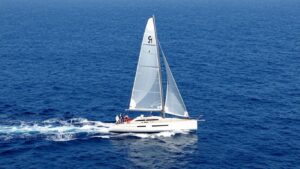
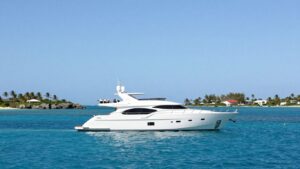
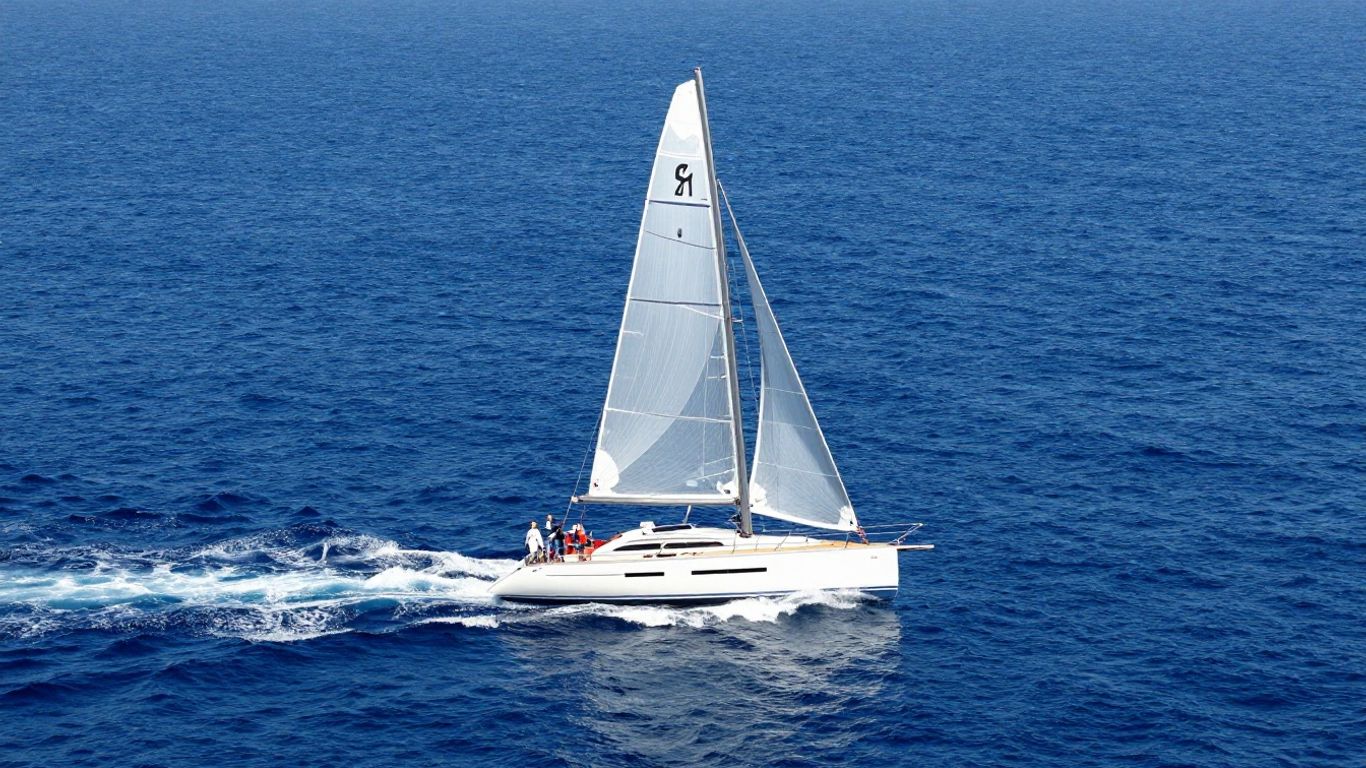
Deciding between the grace of a monohull or the stability of a power catamaran requires balancing performance preferences with comfort desires. Each has distinct advantages for different types of maritime travel:
| Vessel Type | Primary Advantage | Best Suited For |
|---|---|---|
| Sailing Monohull | Classic nautical thrill | Traditional sailing enthusiasts |
| Sailing Catamaran | Enhanced living space | Families seeking stability |
| Power Yacht | Rapid destination hopping | Efficient luxury travel |
Selecting your vessel is a significant decision. Once you have determined whether you prefer the wind in your sails or the efficiency of an engine, you can look into offerings like The Moorings to view available models for your preferred sailing style.
Selecting your ideal sailing destination
Selecting the right geography depends on the type of atmosphere and cultural immersion you desire for your voyage. From coral-fringed lagoons to historic coastlines, every region offers a unique backdrop for your time on board.
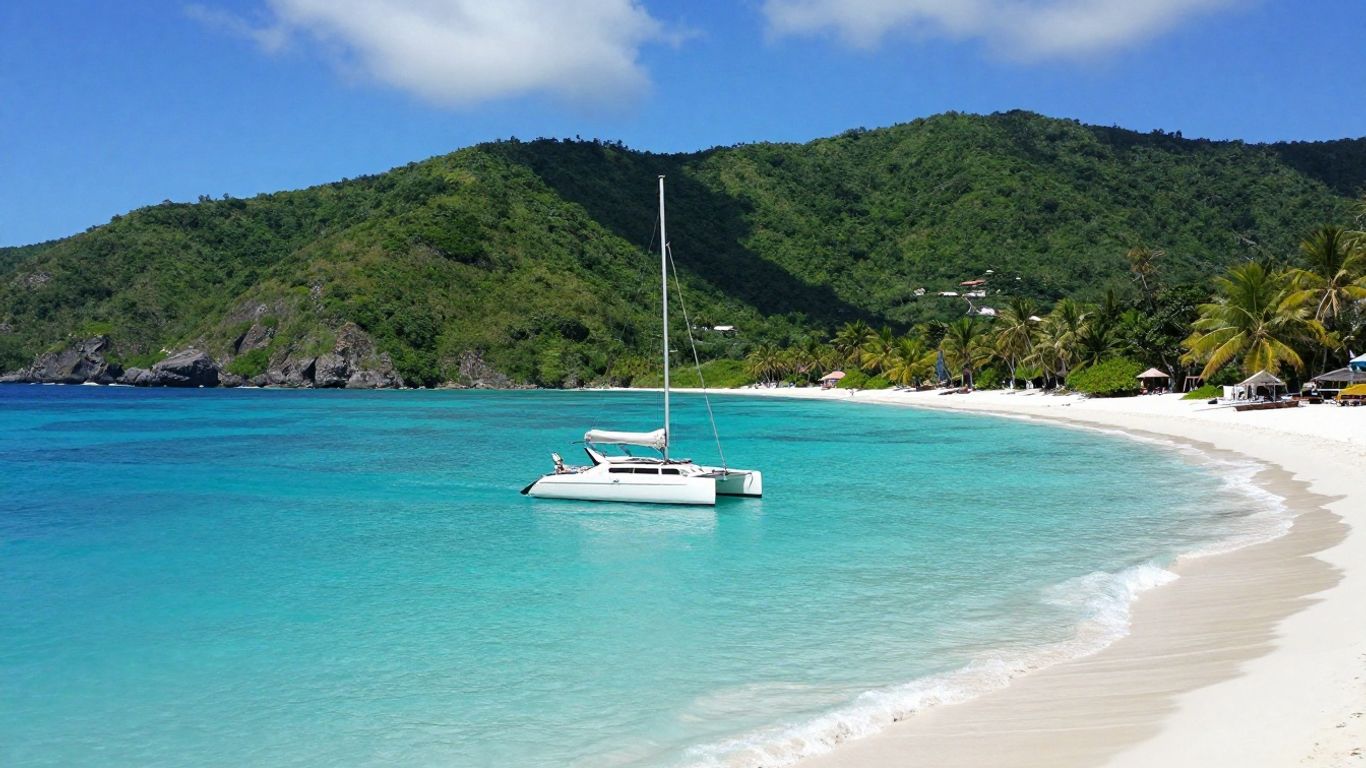
Caribbean islands and tropical routes
Warm sunshine and consistent winds make the tropics a perennial top choice for travelers. Sailing these waters offers a tranquil escape from reality as you navigate between quiet coves and limestone cliffs. The ease of line-of-sight navigation makes this area perfect for those who prefer spending more time swimming and exploring local islands than analyzing complex charts.
Mediterranean cultural and coastal sailing
Coastal sailing in Europe offers an exquisite mix of deep history and modern leisure. Here, you can anchor near centuries-old ports, allowing for immediate access to regional cuisine and ancient landmarks. The sailing conditions vary, often providing more challenge than the tropics, requiring a vigilant approach to local harbor navigation.
Evaluating seasonal weather and sea conditions
Researching the climatology of your chosen region long before booking is crucial. Understanding periods of high pressure or hurricane seasons helps you avoid inclement weather and ensures your trip remains enjoyable. Consulting seasonal averages provides confidence that you are choosing the safest window for your departure.
Planning your charter itinerary
Crafting a successful itinerary requires careful attention to the nuances of your chosen geography. A well-constructed plan serves as a roadmap rather than a constraint, allowing for changes as you discover new shores and hidden gems.

Customizing daily navigation routes
Building a custom passage allows you to linger longer in locations that capture your imagination. You might find that a short morning sail to a secluded beach is more satisfying than a long haul to a busy marina. The ability to adapt your schedule is one of the most rewarding benefits of private chartering.
Factoring in travel time and mooring availability
Efficiently managing your daily progress is essential for a peaceful experience. Consider these logistical factors when plotting your way:
- Analyze average knot speeds for your vessel type across the prevailing wind conditions.
- Check the availability of pre-booked moorings in high-demand coastal regions.
- Factor in transit time between major ports to ensure you arrive before sunset.
- Monitor tide cycles if your planned route includes shallow harbor entrances.
Strategic planning ensures you spend more time relaxing and less time navigating through crowded entryways. With consistent attention to these logistical details, you keep the flow of your voyage smooth.
Balancing active sailing days with leisure time
Maintaining a healthy balance between active travel and downtime prevents burnout on longer journeys. While the thrill of full-day passages is rewarding, planning quiet days at anchor allows your group to refresh themselves and fully appreciate their surroundings. A sustainable pace often leads to a more memorable vacation.
Budgeting for a sailing vacation
Transparent planning is essential for managing your resources effectively. By understanding what is and is not included in your initial booking, you can better prepare for a financially comfortable experience.
Understanding base rental costs and inclusions
Prices often vary based on season, vessel performance capabilities, and the amount of service required. Knowing the difference between choosing between a car shipping broker and a direct provider is helpful in maritime contexts; always verify what is part of your package. A clear understanding of the baseline prevents misunderstandings after departure.
Factoring in provisioning and fuel expenses
Costs for sustenance and fuel depend largely on your personal appetite and how much distance you intend to cover under power. Provisions for a personalized heart rate zone diet or other specific nutritional needs might require pre-arrangement with your base provider. Keep an eye on fuel consumption rates for your vessel to estimate your required top-ups.
Managing security deposits and insurance requirements
Protecting your interests requires understanding the financial responsibilities associated with the vessel. Many providers ask for a security deposit, and securing comprehensive coverage through an acupuncture on lien or similar specialized service is not relevant here; instead, focus on nautical protection like pipe light fittings aren’t applicable, so look strictly at the insurance policies provided by the charter operator to ensure complete peace of mind.
Preparing for life on board
Living on a yacht requires a different approach to packing and daily routines compared to land-based hotels. Careful preparation goes a long way in ensuring your comfort throughout the trip.
Essential packing gear for maritime travel
Efficiency is the cardinal rule of maritime life. Bring clothes and accessories that serve multiple purposes, such as light windbreakers and non-marking shoes that provide grip on wet decks. Keep luggage soft and collapsible, as hard suitcases can damage fine interior finishes and are notoriously difficult to store in confined spaces.
Managing food supplies and onboard provisioning
Arranging your supplies before departure allows you to focus on the arrival experience. Whether you choose a full grocery pre-stocking service or prefer visiting local markets, ensure you have stable quantities of water, snacks, and non-perishables. Adapting your meal plan to the local climate helps keep the crew refreshed during warm coastal days.
Coordinating crew responsibilities and safety protocols
Clear communication regarding safety drill procedures is the most critical element of human management on board. Every attendee should understand their role during docking and in the event of an emergency. Establishing clear expectations early on ensures that everyone works in harmony, allowing for a relaxed environment where the spirit of the voyage can flourish.
Conclusion
Planning a sailing holiday is a rewarding process that combines technical preparation with deep anticipation of the journey ahead. By selecting the right vessel, understanding your destination, and carefully managing the logistics, you create an environment where truly unforgettable moments can happen. Whether you choose to explore the Caribbean or the Mediterranean, a well-planned itinerary is the anchor that holds your entire vacation together, ensuring each day is spent in comfort and celebration.
Frequently Asked Questions
Do I need a formal license to sail my own vessel?
Most charter providers require a recognized sailing certification or proof of equivalent experience to issue a bareboat charter, while those without one can opt for a skippered experience.
What should I pack for a one-week journey?
Focus on lightweight, quick-drying clothing and soft-sided bags that are easy to store in cabin compartments without taking up too much precious room.
How do I handle potential sea sickness?
Many sailors recommend preventive measures like patches or wristbands, and it is usually a good idea to keep your eyes on the horizon or spend time in the center of the vessel where motion is less intense.
Can I request specific ingredients for a crewed charter?
The crew is typically happy to accommodate specific dietary requirements if they are communicated well in advance, usually at least one month before your arrival.
When is the best time to visit the tropics?
The peak season for optimal wind and weather conditions typically runs from December through April, avoiding the height of the summer and autumn storm seasons.
Are there hidden costs involved in chartering?
Expect extra costs for mooring fees in certain ports, fuel usage, and final cleaning duties if they are not explicitly bundled into your initial booking contract.
What happens if the weather turns bad?
Charter companies monitor maritime weather patterns closely and provide guidance on safer routes or harbor options to ensure the safety of the crew and the preservation of the vessel.