Planning a trip on the water can feel a bit much, can’t it? There are so many little things to figure out, and one of the biggest is picking the right company to handle your boat. You want a good moorings company that makes everything easy, from the boat itself to the places you’ll end up. Let’s figure out how to find that perfect match for your next adventure.
Key Takeaways
- When picking a moorings company, think about what kind of trip you want – are you sailing or cruising on a powerboat? This helps narrow down your boat options.
- Boat size really matters. Match the boat’s cabins and space to how many people are going so everyone is comfortable.
- Destinations vary a lot. Popular spots like the Caribbean and Mediterranean have different vibes and sailing conditions, so research where you want to go.
- Always check what’s included. Understand the boat classes, amenities, and what happens if the weather turns bad. Also, look into trip protection.
- Don’t forget the little things. Planning your route, knowing if you need a skipper, and understanding costs will make your trip much more enjoyable.
Understanding Your Moorings Company Options
So, you’re thinking about a sailing trip, maybe even a powerboat adventure, and you’ve heard about these "moorings companies." What exactly are they, and why would you even bother with one? Well, think of them as your vacation architects for the water. They handle the big stuff – the boat, the logistics, sometimes even the crew – so you can just show up and enjoy the sea breeze. It’s a pretty sweet deal, honestly, especially if you’re not looking to own a boat yourself or deal with all the upkeep.
Why Choose a Moorings Company for Your Adventure
Picking a company that specializes in chartering yachts is a smart move for a few reasons. For starters, they have a huge selection of boats. We’re talking everything from nimble monohulls to spacious catamarans, and even power cruisers if that’s more your speed. This variety means you can find a boat that perfectly fits your group size and your idea of a good time. Plus, these companies often have a lot of experience in the destinations they serve. They know the best spots to drop anchor, the local customs, and how to handle any tricky weather. It’s like having a built-in local guide.
- Access to a Wide Range of Yachts: From small, sporty sailboats to large, luxurious catamarans, there’s a boat for every taste and group size.
- Destination Expertise: Companies often have deep knowledge of their charter areas, offering insights into cruising grounds and local attractions.
- Maintenance and Support: You don’t have to worry about boat upkeep; the company handles all the maintenance and provides support if anything comes up.
- Flexibility: You can choose different charter types, like bareboat or fully crewed, depending on your comfort level and desire for service.
The biggest perk is probably the peace of mind. Knowing that your vessel is well-maintained and that there’s a support system in place lets you truly relax and soak in the experience. It takes a lot of the stress out of planning a trip on the water.
Bareboat vs. Fully Crewed Charters
When you start looking into chartering, you’ll quickly run into two main options: bareboat and fully crewed. A bareboat charter means you’re essentially renting the boat, and you’re responsible for sailing it. You need the right qualifications and experience, or you’ll need to hire a captain. It’s great if you love being in control and have the skills to match. On the other hand, a fully crewed charter is the ultimate in relaxation. You get a professional captain, a chef, and sometimes even other crew members who handle everything – sailing, cooking, cleaning, you name it. It’s more like a floating hotel, and it’s perfect if you just want to be pampered and enjoy the scenery.
| Charter Type | Your Role | Included Services | Best For |
|---|---|---|---|
| Bareboat | Captain and crew (or hire a captain) | Yacht | Experienced sailors who want full control and a hands-on experience. |
| Fully Crewed | Guest | Yacht, captain, chef, crew, meals, housekeeping | Those seeking a luxurious, hassle-free vacation with full service. |
Fleet Variety: Sailing Catamarans and Power Cruisers
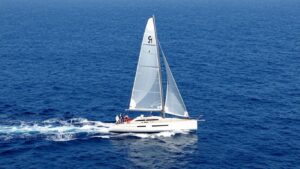
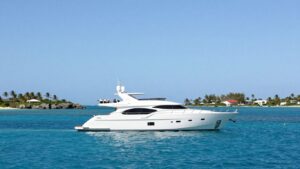
Mooring companies don’t just have one type of boat. They usually boast a diverse fleet to suit different cruising styles. Sailing catamarans are super popular because they offer a lot of space, stability, and shallow draft, meaning you can get into more coves. They’re fantastic for groups who want comfort and room to spread out. Then there are power cruisers. These are for folks who want to cover more distance faster and aren’t necessarily tied to sailing. They offer a different kind of cruising experience, often with more onboard living space and amenities geared towards motor yachting. Choosing between a sailing catamaran and a power cruiser really comes down to how you envision your time on the water. Are you looking for the gentle rhythm of sails, or the speed and ease of a motor yacht? It’s a big decision that shapes the whole trip.
Essential Considerations for Your Charter
When you’re putting together your next charter trip, there are a few details that can make or break the experience. It’s not just about picking a boat; it’s about making sure you’re comfortable, safe, and set up for real relaxation. Let’s walk through what really matters when locking in your adventure on the water.
Understanding Yacht Classes and Amenities
Boats aren’t just boats—they range from simple setups to pretty plush, and your experience will depend on what you choose. Here’s a quick way to compare:
| Class | Features |
|---|---|
| Basic | Standard navigation equipment, galley for meals, and decent sleeping quarters. |
| Comfort | Extras like a powered dinghy (great for shore visits), nicer cushions, extra kitchen gadgets. |
| Luxury | Think generators, watermakers, AC, really nice interiors—stuff for those who want all the comforts. |
- Decide what’s non-negotiable (maybe AC for summer, or a better mattress if you’re picky about sleep).
- Ask about Wi-Fi and tech stuff—coverage can be unreliable depending on your route.
- Double-check the safety gear: where are the life jackets, flares, and fire extinguishers?
A little preparation saves a lot of hassle. Take a few minutes before setting sail to find out where things are and how to use them—don’t assume you’ll figure it out later.
Destination Specifics and Local Insights
The spot you pick for your charter shapes the whole trip, and each place has its quirks. Some islands go quiet off-season, and weather windows also matter. Here’s what to consider:
- Choose your season carefully—summer is busy (and pricey) in the Med, but hurricane season means quieter Caribbean marinas.
- Check local customs and must-see spots. Some charters will point you to local hidden gems and even guide you through rules and paperwork needed for certain destinations.
- Make sure your passport, visa, and health documentation meets what’s needed. Things can change fast, so double-check close to your trip.
If you want to dig deeper, take advantage of resources about charter boat management to better prepare your trip and understand what to expect.
Travel Protection and Weather Policies
The weather can turn with almost zero warning out on the water. Charter companies have their own policies if things go sideways due to storms or dangerous conditions. Sometimes trips get delayed, rerouted, or you’ll get credit for a future adventure.
- Ask about cancellation, delay, and rerouting policies before booking.
- Consider travel insurance—this can cover things like illness, last-minute cancellations, and even if your operator runs into business problems.
- Look into what happens if your flight makes you miss embarkation, or if sudden storms close ports.
Having a backup plan and proper coverage takes the edge off, so if something does go wrong, your trip doesn’t spiral out of control.
Choosing your charter isn’t only about where you want to go. It’s about checking the details, asking questions, and making sure you feel prepared and protected from the minute you board to the moment you return home.
Selecting the Right Yacht for Your Group
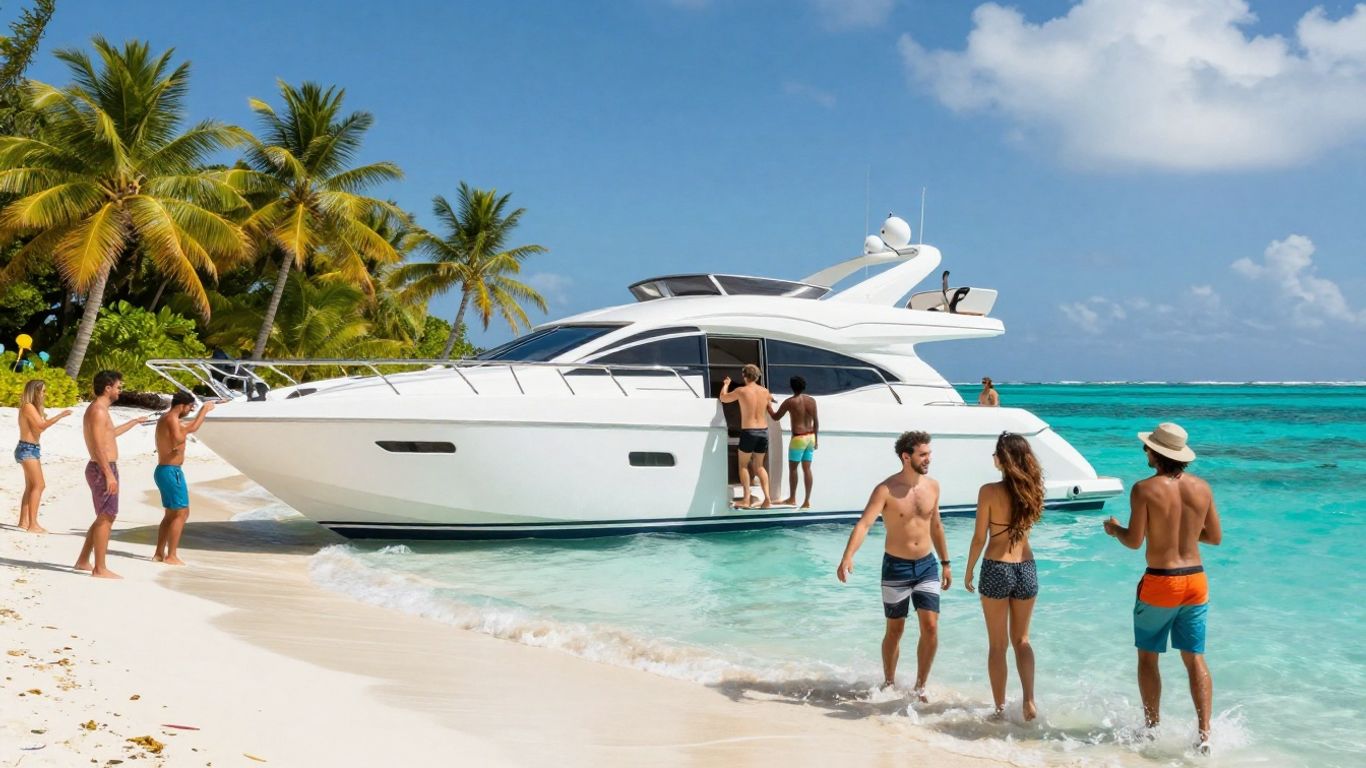
Picking a boat is almost as personal as picking the group you’re traveling with. It’s the base for your adventure, the spot where everyone winds down after a day of exploring, and—if things go wrong—where tensions can flare. Here’s how to make your yacht fit your group instead of the other way around.
Matching Boat Size to Passenger Comfort
The size of your yacht really sets the tone for the whole trip. Too small and everyone’s tripping over each other. Too big and you might burn through your budget (and have empty cabins).
Here’s a quick table to help match yacht size with group size:
| Group Size | Recommended Cabins | Suggested Boat Type |
|---|---|---|
| 2-4 people | 2 | Monohull / Small Catamaran |
| 5-8 people | 3-4 | Sailing Catamaran |
| 9+ people | 5+ | Large Catamaran / Power Yacht |
Always make sure everyone has a place to sleep, and remember to count your skipper and crew in the total!
To get really specific on group needs like kids, mobility issues, or personal space preferences, check out more details on group size and passenger needs.
Considering Different Yacht Types
Boats aren’t one-size-fits-all. Here’s a handy breakdown:
- Monohull Sailboats: Classic sailing experience, good for active sailors who like the feeling of the wind and waves. Usually the most affordable.
- Sailing Catamarans: Super popular for stability and space. Great for families or mixed groups who want to relax on deck, plus lots of room for lounging and socializing.
- Power Catamarans/Yachts: If you want to cover a lot of ground fast, or you’ve got folks who like a motor yacht’s modern comforts, this is the way to go. Less sailing, more cruising.
Ensuring Adequate Sleeping Accommodations
Sleeping arrangements can make or break the trip. Think about:
- Number of cabins (not everyone wants to bunk together)
- Crew or skipper—do they have their own space?
- Convertible areas (salon sofas that double as beds)
- Privacy (ensuite vs. shared bathrooms)
- Ask ahead about the exact layout or consult detailed deck plans.
- If anyone is picky about their space, sort it out before you book.
- For larger groups, think about splitting between two boats instead of packing everyone onto one giant yacht if you value privacy.
Take your time with this step. The right boat is more than just a place to sleep—it’s the setting for every memory you’ll make on the water.
Choosing the right boat isn’t just about fitting everyone on board; it’s about everyone feeling at home, whether you’re after adventure or relaxation. After you’ve thought through boat size, type, and sleeping setups, you’ll be all set for smooth sailing ahead. If you want even more insights on what to look out for, have a look at this sailing yacht charter planning guide.
Making the Most of Your Moorings Experience
So, you’ve picked out the perfect yacht and a dream destination. Awesome! But how do you really squeeze every bit of fun and relaxation out of your sailing adventure? It’s all about a little planning and knowing what to expect. Think of it like prepping for a great road trip – a bit of forethought goes a long way.
Itinerary Planning and Local Insights
While the idea of just winging it is appealing, having a loose plan can make your trip smoother. Your charter company usually provides sample itineraries, which are a good starting point. These often highlight great spots for anchoring, quiet coves, and interesting islands. Don’t be afraid to chat with the folks at the base when you arrive; they’re usually full of local knowledge about the best places to eat, hidden beaches, or even where to find the freshest fish. For instance, if you’re heading to the British Virgin Islands, knowing which mooring ball is yours is key to a stress-free start. Using the correct mooring ball is part of being a good sailor there. A good starting point for planning your trip can be found in this guide.
Skipper Qualifications and Assistance
If you’ve opted for a skippered charter, remember they are your onboard expert. They know the waters, the local customs, and the best spots. Communicate your desires clearly – whether you want to explore secluded bays, find the best snorkeling spots, or just enjoy a leisurely sail. A good skipper can tailor the experience to your group’s preferences. Don’t hesitate to ask questions; it’s a great way to learn about sailing and the local area. If you’re going bareboat, ensure your certifications are up-to-date and that you feel confident handling the vessel in the conditions you expect. Some companies offer refresher courses or additional training if needed.
Leveraging Charter Extras and Provisioning
Once you’ve got the sailing sorted, think about the little things that make a big difference. Many charter companies offer add-ons like paddleboards, kayaks, or even fishing gear. These can add a whole new dimension to your trip. Provisioning is another area where planning pays off. Instead of scrambling for groceries upon arrival, consider using the company’s provisioning service. You can often order food and drinks online in advance, and everything will be waiting for you on the boat. This saves a ton of time and hassle, letting you start your vacation the moment you step aboard.
Planning ahead for things like provisioning and optional activities can significantly reduce stress and maximize enjoyment. It allows you to focus on the experience rather than logistics once you’re on the water.
Here’s a quick look at what you might consider:
- Water Toys: Kayaks, paddleboards, snorkeling gear.
- Provisioning: Pre-ordered food and beverages, including alcohol.
- Entertainment: Portable speakers, books, games.
- Comfort Items: Extra towels, comfortable deck shoes, sun protection.
Remember to establish clear boat rules early, like keeping younger sailors below deck during mooring, to ensure a relaxed and happy crew for a carefree sailing vacation. Establish clear boat rules before you set sail.
Choosing Your Next Adventure Destination
Finding the right place for your next sailing adventure is more than just picking a spot on the map. Every region has its own mood, weather, and sights to offer—and you really want somewhere you and your crew will love from day one. Here are a few things to think about and some ideas to kick-start your search.
Popular Sailing Regions and Their Charms
- Caribbean: Think the British Virgin Islands for easy-going sailing and crystal-clear waters. If you prefer something a bit more rustic, St. Vincent and the Grenadines gives you untouched beaches and plenty of quiet anchorages.
- Mediterranean: The Greek Islands roll out white-washed villages and endless sun. Croatia brings old cities and island hopping, while Italy’s Amalfi Coast is all about stunning cliffs, food, and vibrant ports.
- Exotic Locations: If you want to go further, try Seychelles (wildlife and uncrowded coves), Tahiti and Bora Bora (overwater bungalows, snorkeling), or Thailand (island-studded bays and lively culture). There’s also the Whitsundays in Australia, filled with unique reefs and wildlife.
Here’s a quick reference table to help compare a few standout regions:
| Destination | Highlights | Best For |
|---|---|---|
| British Virgin Islands | Calm waters, easy passages, lively beach bars | Newcomers, families |
| Croatia | Walled towns, warm summers, sharp coastlines | History lovers, foodies |
| Seychelles | Quiet anchorages, marine life, exotic scenery | Expedition seekers |
| Tahiti & Bora Bora | Coral reefs, island culture, luxury resorts | Honeymooners, divers |
| Thailand | Limestone islands, street food, vibrant nightlife | Culture fans, thrill-seekers |
No matter where you end up, taking the time to match your destination with your travel crew’s interests is the way to turn a good trip into an unforgettable one.
Researching Local Cruising Guides
Don’t just fly in blind—local cruising guides can be a lifesaver. They tell you the best places to anchor, where to eat, and what sights can’t be missed. Here’s what you can do:
- Check out region-specific sailing books or apps before your trip.
- Talk with the base team when you arrive—they always know a few secrets spots.
- Scan message boards or travel forums for real-world tips from recent charter guests.
These steps can save time and help you avoid common surprises. For practical advice on base arrival, airport services, or what to expect during your embarkation, consider looking at essential planning and pre-departure guidance.
Understanding Destination-Specific Requirements
Every place has its quirks—paperwork, boating rules, and even local etiquette matter. Here’s what to keep an eye on:
- Access and Permits: Some spots need cruising permits or park fees—ask about these in advance.
- Weather Patterns: Local climate changes everything, from what you pack to your daily itinerary. Some regions have busy hurricane seasons, others have summer winds that make sailing tricky.
- Customs and Traditions: Rules about fishing, protected areas, and local holidays can all affect your plans.
Booking ahead during busy seasons and knowing the best travel windows can make a big difference. If you want a professional’s touch or more details about yacht options worldwide, get inspired by this worldwide yacht charter company.
Take your time with the planning step. The feeling you get from a region—the food, the scenery, the friendly faces—will stick with you long after you step off the boat. And with a bit of prep, you’ll pick a spot that fits your group just right.
Wrapping It Up: Ready for Your Next Adventure?
So, that’s the lowdown on picking a moorings company for your next trip. It might seem like a lot at first, but once you break it down—where you want to go, who’s coming, what kind of boat you want, and how much help you need—it all starts to make sense. Take your time comparing companies and don’t be afraid to ask questions. The right choice will make your trip way more relaxing and fun. In the end, it’s all about getting out on the water and making some memories. When you’re ready, just go for it. The sea’s waiting.
Frequently Asked Questions
Why should I use a company like The Moorings for my trip?
Using a special company for your sailing trip takes away a lot of the planning stress. They have boats ready to go in amazing places, and they handle the boat’s upkeep. This means you get to focus on enjoying the sea and the adventure without worrying about boat problems or where to start.
Is a yacht vacation really affordable?
Surprisingly, yes! A trip on a yacht can cost about the same as a regular vacation at a resort or on a cruise ship, but you get a much more personal and unique experience. You can check their website to get an idea of prices, and you might find it’s more within reach than you think.
What kind of boat is best for my group?
The perfect boat really depends on your group and what you want to do. Companies offer different types like sailboats and powerboats, in various sizes. They can help you pick a boat that has enough space and the right features for everyone on board and for the kind of trip you’re planning.
Do I need to be a sailing expert to rent a boat?
Not at all! If you have some sailing experience, you can rent a boat yourself (called a bareboat charter). But if you’re new to sailing or just want to relax, you can hire a captain (skipper) to sail the boat for you. There are also options with a full crew, including a chef, if you want a totally hands-off experience.
What happens if the weather is bad?
Good companies have plans for when the weather doesn’t cooperate. They might let you change your dates, adjust your trip plan, or offer a credit for a future vacation. It’s important to understand their weather policy before you book, and getting travel insurance is also a smart idea for extra protection.
How do I plan my trip and what should I bring?
While you can be spontaneous, having a general idea of where you want to go each day is helpful. The company can give you sample routes. Also, think about extras like water toys or food. Many companies let you order groceries and drinks in advance, so they’re waiting for you on the boat!