Key Takeaways
Preparing for a Caribbean adventure requires careful planning and an understanding of regional maritime conditions. Here are the most critical points to keep in mind for your upcoming voyage.
- Secure all necessary documentation and customs clearances before departure.
- Plan your itinerary to balance open-water sailing with protected harbor visits.
- Respect the marine environment and comply with all specific local park fees.
- Choose a vessel type that aligns with your experience level and comfort needs.
- Remain vigilant regarding seasonal weather patterns and trade wind fluctuations.
Planning your St. Lucia sailing trip
Getting ready for your time on the water involves more than just selecting a boat; it requires understanding the specific regulatory landscape of the Windward Islands. Proper research into regional entry protocols ensures that your transition between jurisdictions remains smooth and efficient throughout your journey.
Local regulations and entry requirements
Navigating territorial waters involves strict adherence to maritime laws. You must clear customs at designated ports of entry immediately upon arrival in the country. Always carry your vessel documentation, passports for every crew member, and your clearance forms from the previous port to facilitate a seamless inspection process.
Budgeting for park fees and environmental taxes
Managing your travel finances effectively includes allocating funds for the various environmental surcharges applied in protected areas. Many of the most stunning anchorages are maintained through daily mooring fees or conservation permits. Keeping a dedicated cash reserve for these local dues helps avoid complications when park rangers conduct routine checks during the day.
Selecting the ideal departure marina
Choosing a home base is the foundational decision for your expedition. Proximity to provisioning, fuel stations, and reliable transport links from the international airport is essential for easing the logistics of your first few days. A reputable Saint Lucia yacht charter provider can often handle the heavy lifting regarding your initial slip booking and vessel preparation.
Choosing the right boat for your travel style
Deciding between various vessel configurations is the most exciting stage of your trip planning process. Your choice dictates not just the comfort of your living space but also how well the boat handles the specific wind and swell conditions typical of the Caribbean sea.
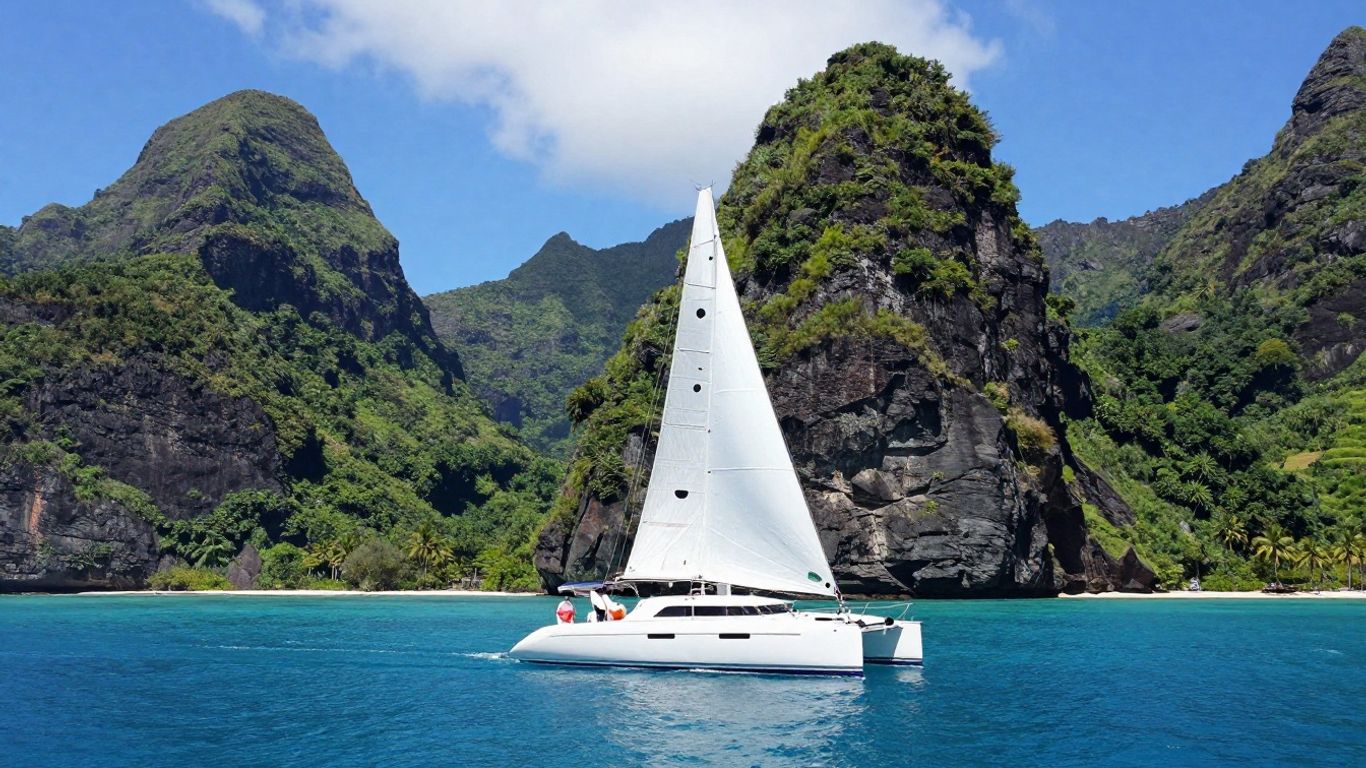
Bareboat charters vs. full-service crewed yachts
For those who prefer a self-reliant adventure, Sunsail offers excellent bareboat options that allow you to dictate your own pace and itinerary. Alternatively, crewed yachts are better suited for travelers seeking a luxury experience without the responsibility of navigation and maintenance. Carefully consider your team’s collective sailing experience before committing to a captain-only or fully crewed arrangement.
Advantages of catamarans over monohulls for local waters
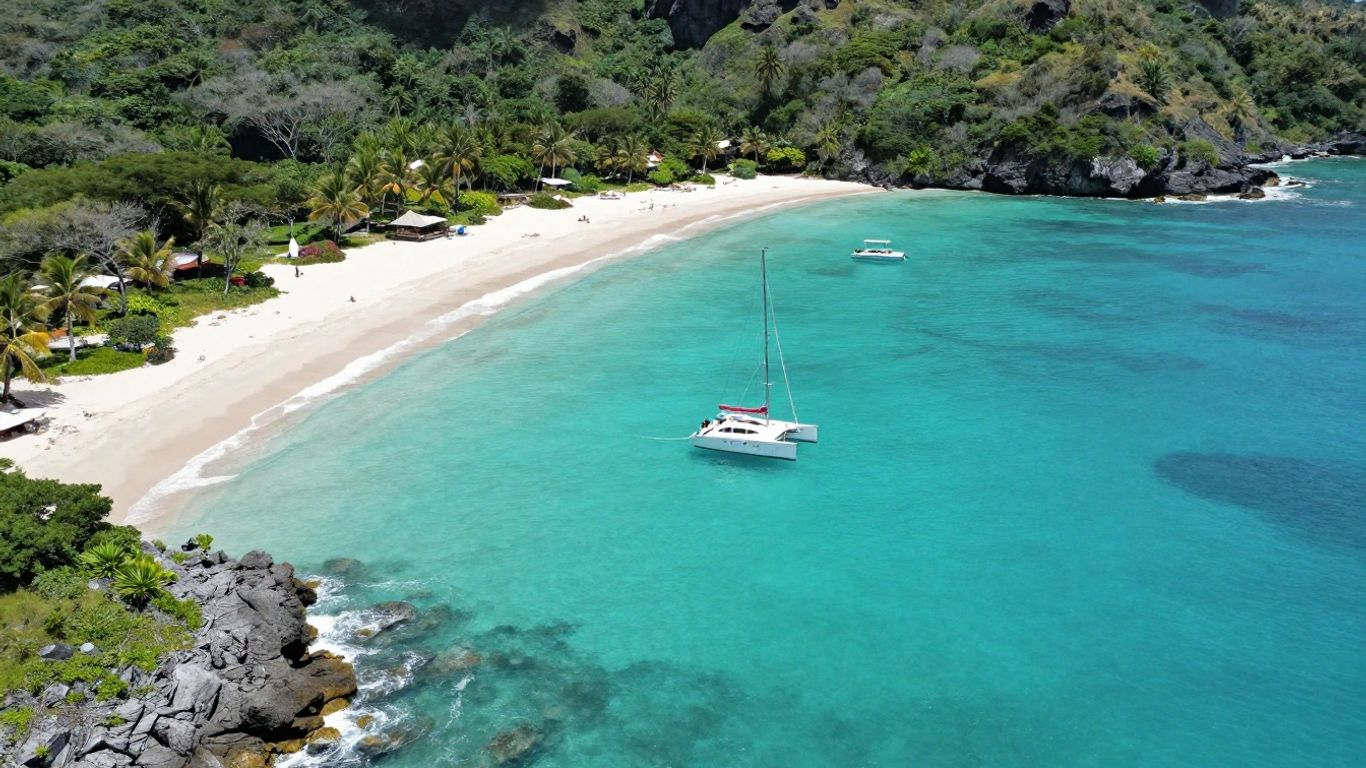
When exploring island coasts, the shallow draft of an catamaran offers distinct benefits compared to a monohull. Beyond the superior stability that minimizes rolling at anchor, these boats are often favored by families and groups for their generous deck space and expansive indoor-outdoor living areas. Consider these features when selecting your craft:
- Increased deck space for lounging and socializing.
- Enhanced stability in swells, reducing motion sickness.
- Shallower draft allowing access to secluded, shallow coves.
- Dual engines providing easier maneuverability in tight harbors.
Understanding insurance and collision damage waivers
Protecting your investment during your time on the water is critical. Most reputable charter operators provide comprehensive protection plans that cover structural damage to the vessel and third-party liabilities. Always clarify your coverage limits and the specific deductible amounts before you commit to signing the final charter agreement to avoid unexpected expenses during potential mishaps.
Navigating the best routes in St. Lucia
Mapping your journey through these coastal waters reveals why many consider this the premier destination for nautical enthusiasts. With a wide variety of bays and harbors, you can design a path that alternates between vibrant maritime centers and quiet, deserted shores.
Viewing the iconic Pitons from the water
Approaching the majestic Pitons by sea offers a perspective that no land trail can match. The dramatic, shear cliff faces create an awe-inspiring backdrop for your morning coffee on deck. Many sailors aim to reach this area during the early morning hours to avoid the heat and take advantage of the calmer wind conditions for photography.
Overnighting at the scenic Marigot Bay
Marigot Bay serves as a classic, hurricane-hole harbor that provides unparalleled safety and shelter. Its narrow entrance and deep waters allow for secure mooring even when external conditions become slightly turbulent. Below are some characteristics of the primary stops along the coast:
| Location | Main Appeal | Best For |
|---|---|---|
| Marigot Bay | Calm Haven | Overnight Stays |
| Soufrière | Piton Views | Snorkeling Tours |
| Rodney Bay | Infrastructure | Provisioning |
Exploring the Soufrière marine managed area
This protected region is home to some of the most vibrant coral reefs in the Caribbean. Because the zone is strictly regulated, it is essential to use designated mooring buoys rather than dropping your own anchor, which could damage the fragile ecosystem below. Mystic Man Tours provides excellent, localized knowledge if you prefer to have a professional handle the logistics of exploring these delicate underwater habitats.
Sailing the northern coast to Rodney Bay
Transitioning from the rugged south to the northern tip reveals the well-developed infrastructure surrounding Rodney Bay. This area is ideal for ending your trip with access to world-class dining, shore-based excursions, and large marina facilities. It provides the perfect blend of excitement and convenience after days spent in the more isolated southern bays.
Understanding moorings and maritime infrastructure
Familiarity with the local maritime facilities ensures your passage remains stress-free and productive. Reliable support systems exist throughout the island, provided you know where to look and how to manage the seasonal demand for these berths.
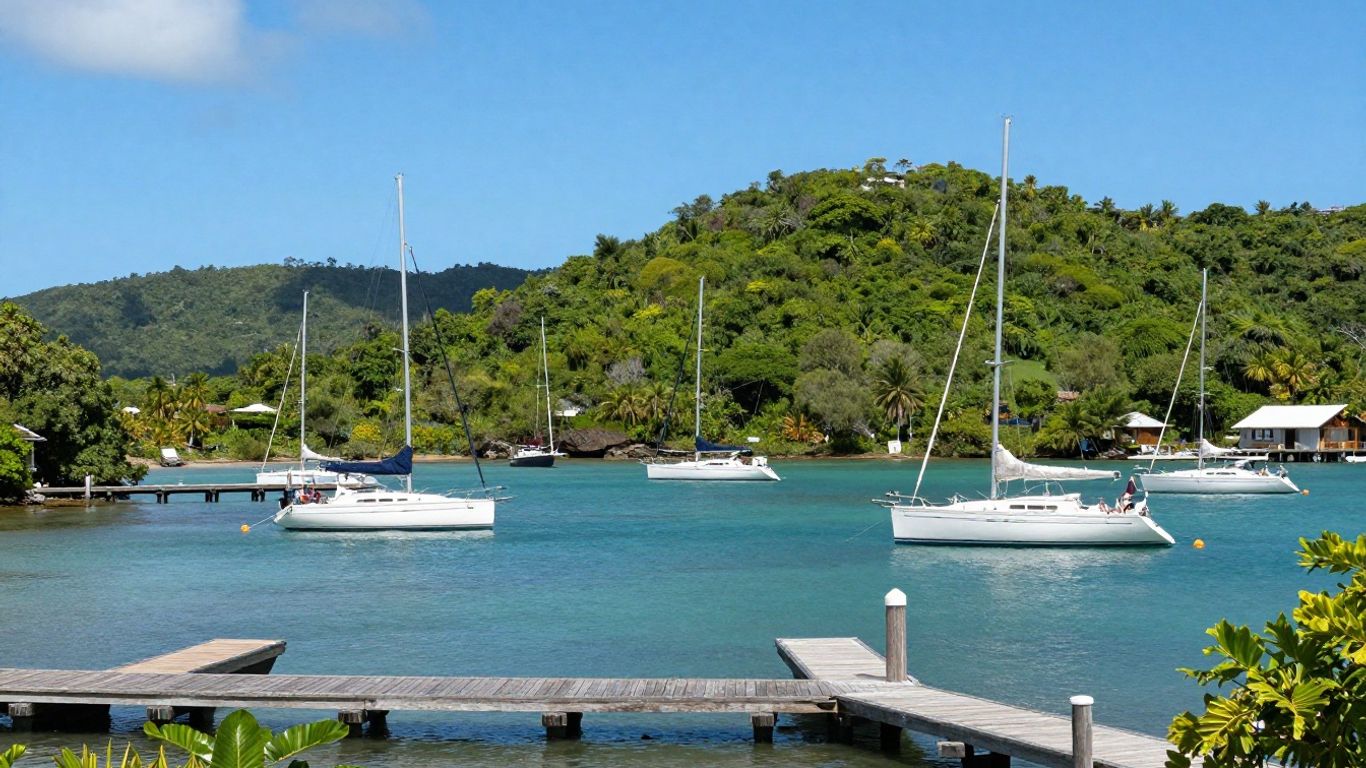
Using municipal buoys versus individual anchoring
Local policy strongly favors the use of municipal mooring buoys to prevent damage to sea grass beds and reef systems. While anchoring is permitted in some sandy-bottomed regions, the availability of managed buoys often provides a more secure attachment in areas where depths drop rapidly. Always consult your charts to confirm if you are in a forbidden anchoring zone.
Managing advance reservations during high season
Demand for slips increases dramatically during the peak winter months. Making advance reservations for your marina visits is a non-negotiable step if you wish to guarantee a spot for long-term stays. If you find yourself in the area during popular festivals, expect all central hub facilities to be at full capacity.
Locating reliable fuel and water refilling stations
Finding fuel and water often feels like a puzzle, but most major harbors offer dedicated docks for these supplies. It is wise to prioritize top-ups during your planned marina stays rather than gambling on the availability of smaller, unmanned fuel jetties in remote coastal corners. Keeping a consistent log of your usage helps in predicting precisely when you need to return to a full-service dock.
Determining the best time to visit
Choosing your travel window requires an assessment of both weather patterns and the vibrant cultural calendar. The trade winds provide the backbone of the region’s sailing experience, but seasonal shifts must be respected by any competent sailor.
Analyzing the influence of trade winds
Consistent northeasterly breezes characterize the local sailing environment, offering reliable power for any vessel type. These winds generally blow strongest throughout the winter months, providing exhilarating sailing conditions that can prove challenging for inexperienced crews. Adjust your daily mileage to account for the intensity of these winds to ensure a comfortable pace.
Managing risks during the Atlantic hurricane season
Tropical weather patterns influence insurance validity and general safety from June through November. While modern forecasting technology allows for significant early warnings, it is vital to stay informed via daily radio updates or internet services. Most yachts are moved to specific hurricane-secure areas or hauled out completely during the height of this period.
Timing your visit around major regattas
If you prefer high-energy atmospheres, plan your trip to overlap with the renowned international racing events held annually. These regattas bring together a global community of sailors, transforming quiet harbors into centers of celebration. Conversely, visit between these major dates if you prefer a quieter, more solitary experience on the water.
Essential preparation and safety tips
Safety remains the core of any enjoyable sailing adventure. Preparing your vessel properly and ensuring your team knows the local customs and emergency codes will allow you to relax and soak in the beauty of the island.
Required travel documents and customs procedures
Every time you arrive in new territorial waters, you must check in with customs authorities using your registration documents. Ensure all crew members have valid identification, and keep your clearance papers organized in a dedicated folder. Failing to follow these steps can lead to significant delays and potential fines when entering or leaving domestic ports.
Essential safety gear for Caribbean waters
Your vessel should come equipped with high-quality life jackets, an emergency beacon, and a functional tender for shore trips. Checking these items during your initial boat briefing is a crucial preventative measure. Experienced captains never compromise on personal safety, choosing to prioritize well-tested equipment over convenience.
Coordinating local provisioning services
Provisioning for several days on the water requires balancing fresh produce availability with supply storage constraints. Many marinas offer delivery services, but sourcing goods from local village markets is often the highlight of the trip. Integrating the findings from a sailing in Saint Lucia guide into your store list helps ensure you have the correct variety of goods for all your planned meals.
Conclusion
Choosing to explore these beautiful waters offers a unique perspective of the Caribbean that remains unmatched by any land-based excursion. By preparing thoroughly, respecting the local environment, and selecting the right The Moorings charter for your team, you ensure a safe and memorable journey through these spectacular islands.
Frequently Asked Questions
Is prior sailing experience required to charter a boat?
Most charter companies require a valid sailing license and documented proof of sea time to ensure the safety of your crew and the vessel.
What should I pack for a week-long sailing trip?
Focus on lightweight, breathable clothing, non-skid deck shoes, high-quality sun protection, and essential toiletries while keeping your luggage soft-sided for easy storage.
How do I handle unexpected weather changes while at sea?
Monitor daily weather reports and maintain a close eye on the horizon; if conditions look threatening, always aim for the nearest sheltered harbor immediately.
Are there restrictions on where I can anchor?
Yes, many coastal areas are protected marine reserves where anchoring is prohibited to prevent reef damage; always check your nautical charts for local restrictions.
How do I maintain communication while sailing offshore?
Use a VHF radio as your primary maritime communication tool, supplemented by mobile phone service when close to shore and a satellite device for long-range emergency needs.
Can I fish from my yacht during my trip?
Fishing rights vary by territorial water, and you may need to purchase a specific permit or adhere to local regulations regarding protected species.
What is the typical cost range for provisioning?
Costs depend entirely on your dietary preferences and whether you source from local markets versus catering services, but most cruisers set aside a significant weekly portion of their budget for food.