Key Takeaways
Booking a premier sea excursion requires careful planning to ensure the journey aligns with your expectations for luxury and accessibility.
- Securing the right yacht size directly influences your comfort and destination reach.
- Clear communication regarding provisioning and itinerary needs defines the quality of your trip.
- Navigating legal contracts and mandatory insurance ensures full financial protection before departure.
- Understanding crew dynamics allows for a smoother, more personalized service experience.
- Flexibility in scheduling helps you explore remote locations far from typical tourist traffic.
Understanding the freedom yacht experience
Stepping onto a high-end charter transforms the traditional definition of travel into a bespoke floating sanctuary. Whether you seek quiet mornings in private bays or social gatherings under the stars, the environment is crafted around your personal rhythm. This unique maritime lifestyle offers a rare combination of intimacy and high-level professionalism, making it a preferred choice for discerning travelers.
Defining the luxury motor yacht standard
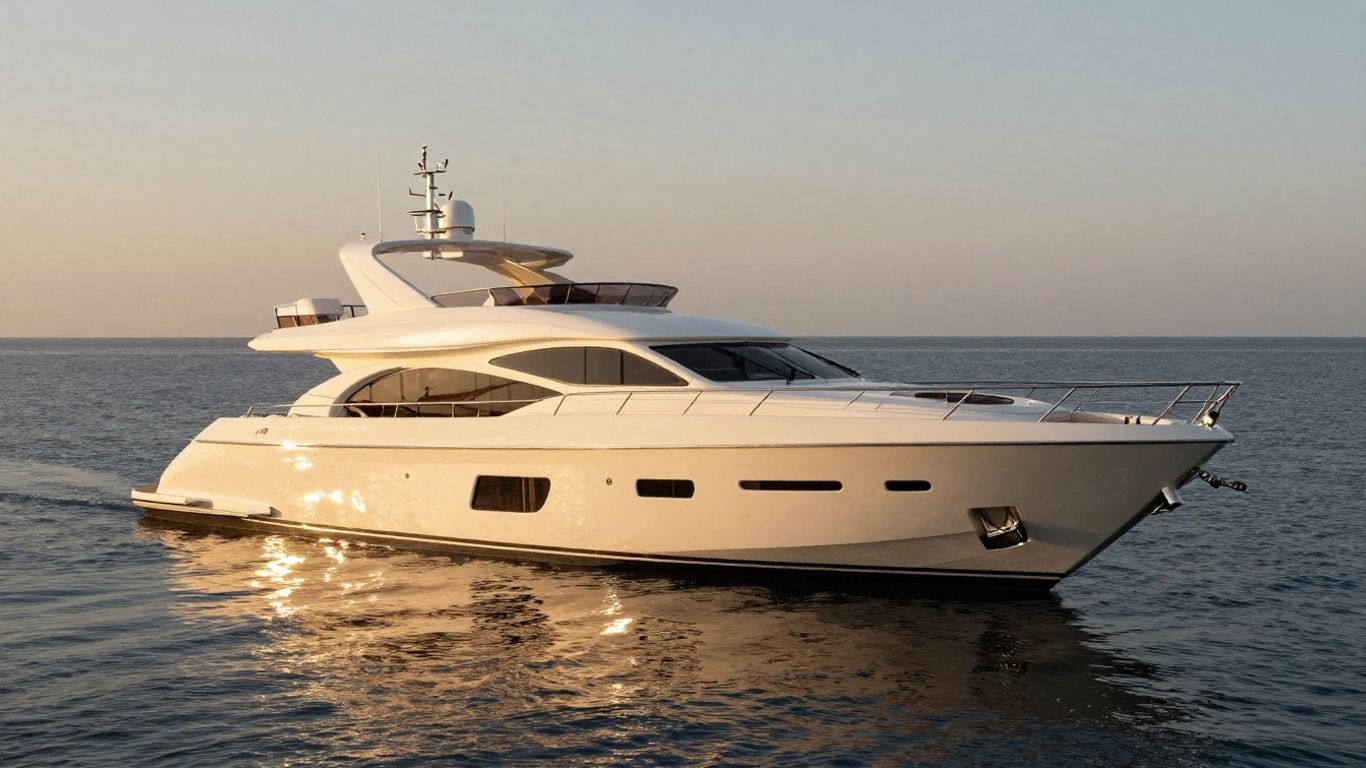
Luxury motor yachts set themselves apart through meticulous attention to design and operational excellence. Guests can find unparalleled luxury through features like expansive decks, private cinemas, and stabilization systems that provide a smooth ride regardless of sea conditions. These vessels serve as self-contained resorts that move with your desires, rather than fixing you to a single location.
Key amenities found on premier charters
Modern charters bridge the gap between home comfort and rugged marine exploration. High-speed connectivity, state-of-the-art gymnasiums, and elaborate water toy inventories are standard features that elevate the daily experience. Every detail from the thread count of the linens to the quality of the onboard spa equipment is curated to meet the needs of guests looking for total relaxation.
Tailoring your itinerary for total independence
True independence means having the capability to change your horizon based on wind, weather, or simple curiosity. By working closely with your captain, you turn a pre-planned route into an organic voyage that prioritizes your comfort over fixed schedules. This adaptability ensures you spend more time in places you love and less time rushing toward the next port of call.
Choosing the right vessel for your voyage
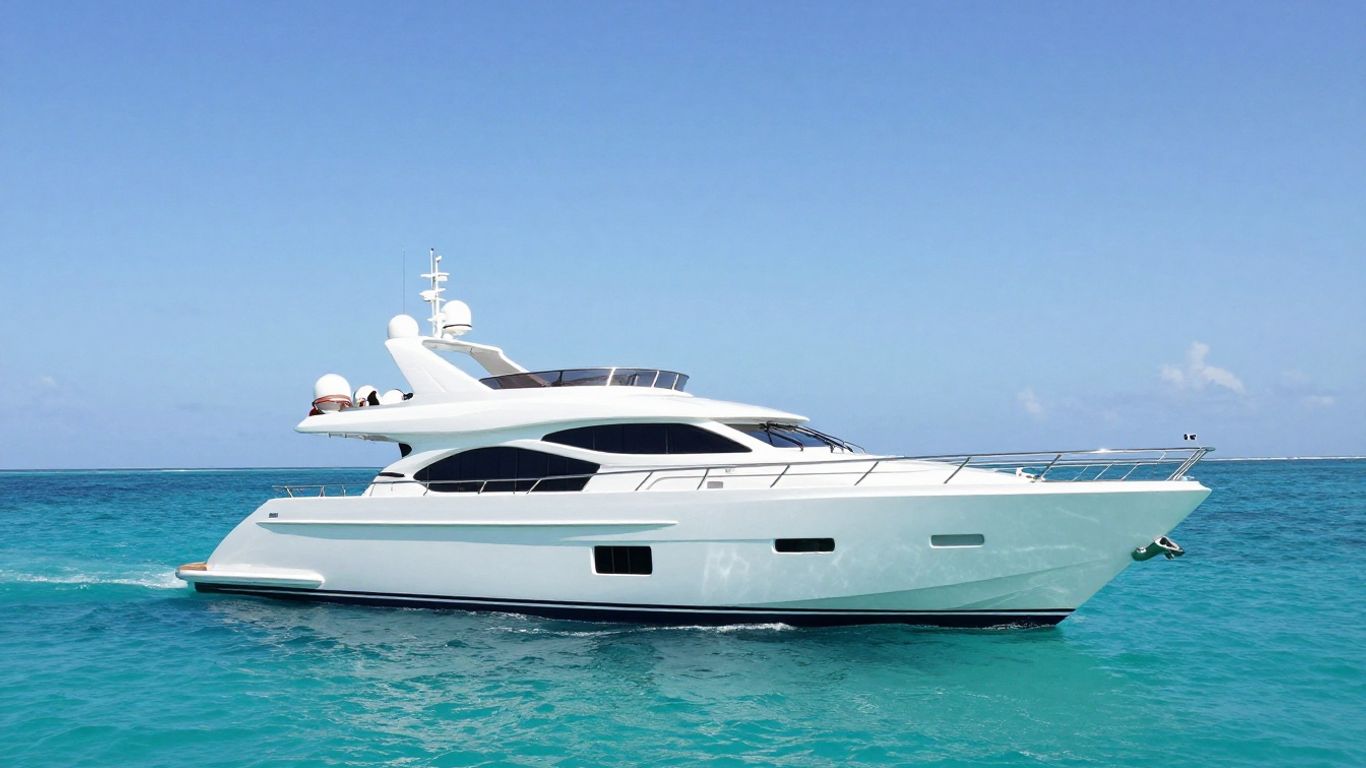
Selecting the perfect vessel is essential for your peace of mind and overall comfort when planning an extended time on the water. You must balance the physical size of the boat against your specific needs for privacy, socializing, and the depth of the waters you intend to visit. Choosing correctly early in the process eliminates stress and allows the voyage to begin with confidence.
Comparing superyacht sizes and layouts
Size dictates much more than how many guests can stay on board; it defines the lifestyle during your journey. Larger yachts often include multiple dining areas and distinct zones for quiet reading or active entertaining. Understanding how layouts influence flow, through both private sleeping quarters and communal social spaces, helps ensure that everyone on board feels relaxed and uncrowded.
Assessing technical requirements for long-range travel
Traveling to remote regions requires a vessel that is mechanically capable and compliant with international maritime standards. Long-range cruisers possess increased fuel capacities and robust stabilization that keep the vessel safe and manageable during offshore crossings. Discussing the technical parameters of the craft satisfies your interest in reaching far-flung destinations without compromising safety protocols.
Evaluating onboard specialized equipment
Specialized gear, from advanced navigation arrays to custom-built dive platforms, enhances the capabilities of your charter. If your goal is to snorkel in protected reefs or engage in high-speed water sports, verify the vessel’s inventory before signing. Having access to high-quality tenders and watercraft allows you to interact with the environment in ways that would otherwise be impossible.
Navigating charter agreements and logistics
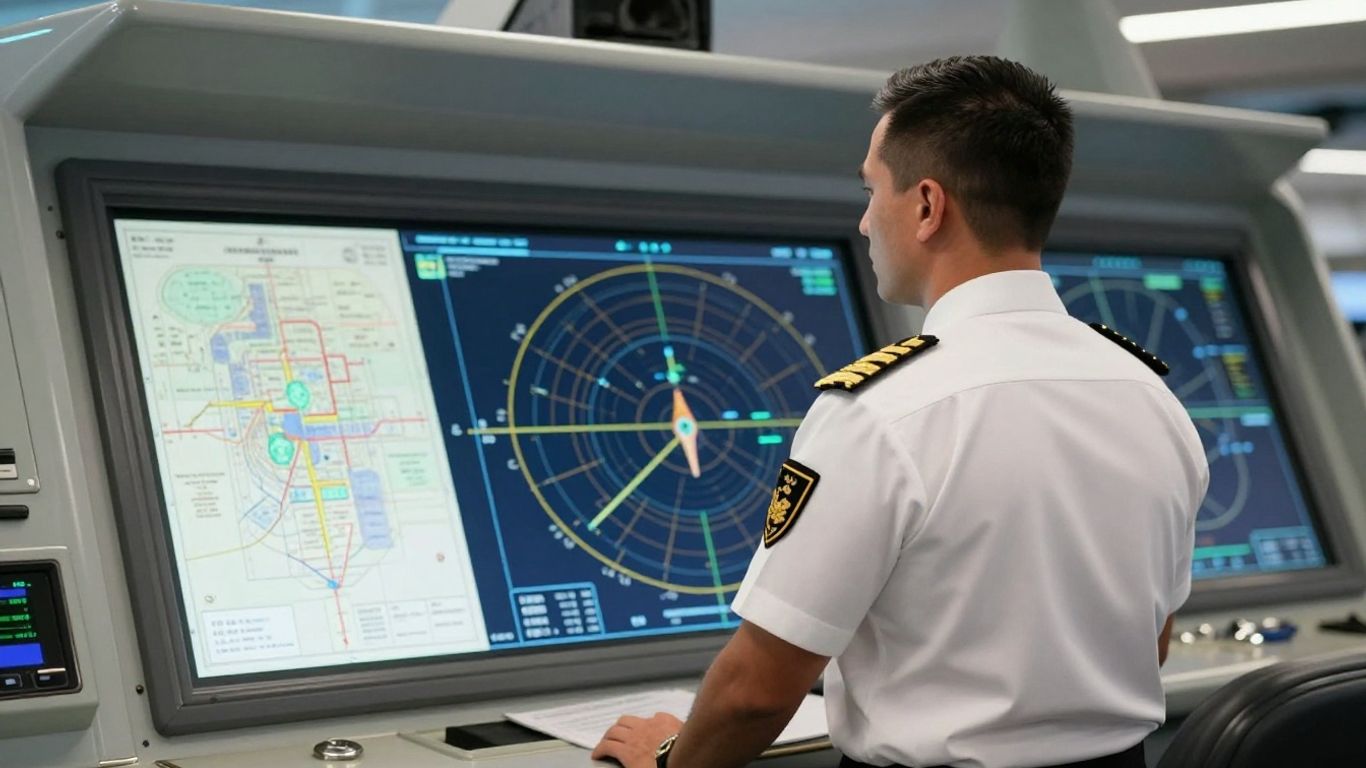
Handling the legal and administrative side requires a clear understanding of your fiscal and liability responsibilities. Every charter contract is designed to protect both the guest and the owner, setting out expectations for service, maintenance, and emergency protocols. Approaching this phase with transparency prevents disputes and ensures your focus remains on the experience.
Understanding charter contract terms
The contractual agreement acts as the foundation for your trip, outlining the specific dates, locations, and vessel conditions promised during negotiation. Key components often found in standard charter agreements include:
| Component | Description |
|---|---|
| Base Charter Fee | The primary cost for hiring the vessel and crew. |
| APA | An allowance to cover fuel, food, and docking fees. |
| Local Taxes | Mandatory government levies based on cruising grounds. |
These elements provide the financial framework for your journey, allowing for clearer budgeting once the base fee is settled.
Managing the advanced provisioning allowance
The advanced provisioning allowance acts as a flexible pool of funds that the captain uses to purchase provisions, fuel, and supplies throughout your trip. Detailed accounting is provided so you can see exactly how these funds support your specific requested preferences. Efficient management of this fund is one way you can explore exotic destinations with reliable support and zero logistical headaches.
Navigating insurance and liability requirements
Comprehensive insurance provides a safety net against unforeseen events that could disrupt your charter plans. Liability frameworks outline exactly what actions are permitted on board, especially during water sports or tender operations. Verifying your coverage ensures peace of mind, knowing that your financial stake in the vacation is secure regardless of minor operational changes.
Exploring popular freedom yacht destinations
Selecting a destination depends largely on whether you prefer the bustling culture of established ports or the quiet solitude of hidden coastal gems. A well-planned voyage pairs the right season with locations that offer the specific type of environment you desire. This synergy of timing and geography is what really brings a maritime journey to life for guests.
The Mediterranean summer season
During the summer months, the Mediterranean offers clear waters and a vibrant social scene that stretches from the French Riviera to the islands of Greece. While busy, the ability to anchor in bays inaccessible to cruise ships provides a sense of exclusivity. This season is perfect for travelers who enjoy combining luxury life with rich history and world-class dining.
Caribbean winter cruising grounds
When winter settles into the north, the Caribbean becomes the premier choice for calm seas and consistent sunshine. The proximity of the islands allows for short, comfortable hops between pristine beaches and lively harbors. The regional climate invites you to spend nearly all your time outdoors, making the most of your yacht’s exterior lounging and swimming platforms.
Off-the-beaten-path expeditions
Venturing away from the standard routes opens up opportunities to witness raw nature and cultural landscapes that few travelers ever see. Planning these trips requires close cooperation with your crew to ensure adequate support and fuel logistics. Taking this path marks the difference between a standard vacation and a true sense of adventure.
Managing crew and service expectations
Your crew is the heartbeat of the vessel, responsible for both the technical operation and the hospitality that defines your stay. Building a positive relationship with these professionals ensures that your specific needs are anticipated before you even voice them. When communication flows effectively, the service becomes invisible yet omnipresent.
Understanding crew roles and hierarchies
Each member of the team brings specialized skills to the operation of the vessel and your daily comfort. Understanding these roles helps you direct your requests to the right staff member for the task:
- Chief Stewardess manages interior staff and daily guest needs.
- The Captain oversees navigation, route safety, and overarching vessel command.
- Deckhands handle maintenance, water sports equipment, and exterior aesthetics.
- Chefs curate personalized menus according to specific dietary preferences.
This structure ensures that every aspect of the vessel, from mechanical reliability to the presentation of your evening meal, is managed by an expert.
Establishing effective communication with your captain
Clear, polite, and consistent dialogue with your captain is the best way to ensure your preferences are met throughout the voyage. Sharing your goals for the trip early—whether you prefer active mornings or slow, relaxed afternoons—helps them refine the vessel’s pace. This ongoing dialogue allows for customizing every aspect of your journey in real-time, matching the mood of your party.
Tipping protocols and service standards
Professional tipping is an established custom in the charter industry, generally recognizing the effort of the entire crew for their hard work and dedication. While discretion is always encouraged, gratuities are usually based on a percentage of the charter fee and are distributed among the entire team. Tipping acts as a final note of appreciation for service that has likely far exceeded standard hospitality expectations.
Conclusion
Embarking on a luxury maritime charter offers a unique blend of personal freedom and high-touch service that is rarely equaled in other forms of travel. By meticulously planning your logistics, communicating your needs clearly, and remaining flexible with your itinerary, you ensure a journey that feels both effortless and deeply rewarding. Whether you are chasing the summer sun in Europe or finding peace in the Caribbean, your time aboard the water remains a memory marked by comfort, discovery, and complete independence.
Frequently Asked Questions
How far in advance should I book a luxury charter?
You should ideally book your charter six to twelve months in advance to ensure you have the best selection of vessels, particularly if you are planning to travel during peak demand windows like mid-summer or major holidays.
What does the vessel's crew include in the service?
A standard crew includes at least a captain, engineer, chef, and stewardesses to handle navigation, maintenance, meal preparation, and guest accommodations, with larger yachts increasing the team size proportionally.
Can I request specific meals during the trip?
Yes, before departure you will submit a detailed preference sheet that allows the chef to tailor every menu item, including snacks, drinks, and formal dinners, to meet your unique dietary requirements and tastes.
What happens if the weather prevents a planned destination?
The captain always prioritizes guest safety, meaning they will suggest alternative routes or protected anchorages if primary destinations are rendered inaccessible by wind, tide, or sudden storms.
Is it possible to bring children on a long-range voyage?
Many luxury yachts are perfectly equipped for families, often featuring specific child-friendly cabins, safety rails, and pools, but you should confirm these features with your charter representative during the booking process.
Are water sports equipment included in the price?
Most modern charters include an extensive inventory of water sports gear like pads, kayaks, or snorkeling equipment as part of the vessel’s primary offering, though some specialized toys might require additional usage fees.
How does the fuel and provisioning budget work for longer trips?
Longer journeys are billed based on actual usage, which is why your initial provisioning allowance is held as a deposit; the crew monitors fuel rates and provisioning costs carefully to ensure the budget is managed within your estimates.