Thinking about a Caribbean catamaran trip? It’s a pretty amazing way to see the islands. Imagine waking up to a new view every day, with the gentle rocking of the boat and the warm sun on your face. You can explore quiet coves, swim in clear blue water, and really get away from it all. This guide is here to help you figure out the best way to plan your own Caribbean catamaran trips, making sure it’s everything you dreamed of.
Key Takeaways
- Catamarans offer a stable and spacious platform for exploring the Caribbean, making them ideal for groups and families.
- Popular routes include the British Virgin Islands, U.S. Virgin Islands, and the Grenadines, each offering unique sights and experiences.
- Decide between a crewed charter for a full-service vacation or a bareboat charter if you have sailing experience and want more control.
- Budgeting for your trip involves considering the charter cost, plus extras like food, drinks, park fees, and crew gratuities.
- Booking in advance, especially for peak season, is recommended to secure your preferred yacht and dates for your Caribbean catamaran trips.
Choosing Your Ideal Caribbean Catamaran Trips
So, you’re thinking about a catamaran trip in the Caribbean? Awesome choice! These boats are seriously cool for exploring the islands. They’re super stable, which means less rocking and rolling, and they have a shallow draft, letting you get into those pretty, hidden coves that bigger boats just can’t reach. Plus, the space! Catamarans usually have a big, open deck area and separate cabins, giving everyone a bit of personal space. It’s like having your own floating apartment with a killer view.
Understanding Catamaran Advantages
Why a catamaran specifically? Well, for starters, they’re way more stable than a monohull sailboat. This makes a huge difference, especially if you’re prone to seasickness. You’ll also find they have a lot more deck space for lounging, dining, and just generally hanging out. The two hulls mean they sit higher in the water, so you can get closer to shorelines and explore more secluded spots. Think of it as having a private beach access wherever you go.
Key Considerations for Your Charter
Before you book, give some thought to a few things. How many people are going? This will help determine the size of the catamaran you need, especially regarding cabins and bathrooms. What’s your budget? Prices can vary a lot depending on the boat, the season, and whether you want a crew. And what kind of vibe are you after? Relaxing and exploring, or more adventurous with lots of water sports? Knowing this helps narrow down your options. You’ll also want to think about the time of year. The dry season, from December to April, is popular for a reason – great weather and steady winds. But honestly, the Caribbean is pretty much a year-round destination.
Crewed vs. Bareboat Options
This is a big one. You can go for a crewed charter, where a captain and often a chef come with the boat. They handle all the sailing, cooking, and cleaning, so you can just kick back and enjoy. It’s like a floating hotel. On the other hand, there’s a bareboat charter. This is where you rent the boat and you (or someone in your group) are the captain. This option is great if you have sailing experience and want total control over your itinerary. It usually costs less upfront, but you’ll need to factor in food, fuel, and your own sailing skills. For many, especially first-timers, a crewed charter is the way to go for a truly stress-free vacation. You can find some amazing crewed Virgin Islands sailing vacations that take all the planning off your plate.
Here’s a quick look at what each offers:
- Crewed Charter:
- Captain and crew included
- Meals and drinks often provided
- Focus on relaxation and service
- Ideal for those without sailing experience
- Bareboat Charter:
- You are the captain
- Requires sailing qualifications
- More control over itinerary and costs
- You handle provisioning and cooking
Choosing between a crewed and bareboat charter really comes down to your comfort level with sailing and how much you want to be hands-on with the planning and execution of your trip. Don’t underestimate the value of local knowledge a captain can provide, pointing out the best spots you might otherwise miss.
Navigating Popular Caribbean Catamaran Routes
So, you’ve decided a catamaran trip is the way to go for your Caribbean escape. Awesome choice! Now, where to point that bow? The Caribbean is a sprawling playground, and different island groups offer totally distinct vibes. Picking the right route can make or break your vacation, so let’s break down some of the most popular spots.
British Virgin Islands Exploration
The BVI, often called the ‘Sailing Capital of the World,’ is practically built for catamaran cruising. Think calm waters, short hops between islands, and plenty of protected anchorages. It’s super beginner-friendly, which is great if you’re new to sailing or just want a super relaxed vibe. You can easily spend a week here and barely scratch the surface.
- The Baths on Virgin Gorda: Giant granite boulders tumbled together create a maze of pools and grottoes you can explore. It’s pretty unique.
- Soggy Dollar Bar on Jost Van Dyke: Famous for its Painkiller cocktail and the sandy beach where you literally swim ashore to get your drink. Classic Caribbean.
- Snorkeling at The Indians: These rock formations just off Norman Island are teeming with fish and make for a fantastic underwater experience.
- Anegada: This flat, coral island is a bit further out but totally worth it for its incredible lobster dinners and pristine, empty beaches.
The steady trade winds and clear, line-of-sight sailing make the BVI a dream destination for catamaran charters. It’s the kind of place where you can just drift from one stunning bay to the next. You can find more details on planning your BVI sailing adventure here.
U.S. Virgin Islands Adventures
Right next door to the BVI, the USVI offers a slightly different flavor. St. Thomas, St. John, and St. Croix are the main islands, each with its own character. St. John, in particular, is largely a national park, meaning tons of protected bays and incredible natural beauty. It’s also super easy to get to, especially if you’re flying from the States.
- Maho Bay, St. John: This is the spot for sea turtle encounters. Seriously, they’re everywhere. Just float and watch them graze.
- Christmas Cove, St. Thomas: Home to Pizza Pi, a floating pizza boat. Yes, you read that right. Order a pie and have it delivered right to your boat. Talk about a unique dining experience!
- Trunk Bay, St. John: Often cited as one of the most beautiful beaches in the world, it’s perfect for a day of sunbathing and swimming.
- Historic Charlotte Amalie, St. Thomas: If you want a break from the beach, explore the Danish colonial architecture and bustling markets.
Sailing the Grenadines
Ready for something a bit more adventurous? Head south to the Grenadines. This chain of islands, stretching between St. Vincent and Grenada, is known for its dramatic volcanic peaks, vibrant coral reefs, and a more remote, untouched feel. It’s a longer sail between spots, but the rewards are immense. This is where you’ll find some of the most breathtaking scenery in the Caribbean.
- The Tobago Cays: A protected marine park with five small islands and a huge horseshoe reef. It’s a snorkeling paradise, and you’ll often see sea turtles and rays.
- Bequia: Known for its friendly locals, boat-building heritage, and lively waterfront. It feels like a step back in time.
- Mustique: If you’re looking for a bit of glamour, this private island is famous for its celebrity visitors and exclusive vibe.
- Mayreau: Home to the famous Salt Whistle Bay, a stunning crescent-shaped beach that’s a favorite anchorage.
Sailing here often involves longer passages, but the feeling of discovery is unparalleled. It’s a truly special part of the Caribbean that offers a different kind of adventure compared to the BVI or USVI. You can find more information on planning your Caribbean sailing adventure which includes details on routes like the Grenadines.
Experiencing Unique Island Charms
Beyond the stunning beaches and clear waters, the Caribbean is a tapestry of cultures, each island offering its own distinct flavor. It’s not just about the sailing; it’s about what you find when you drop anchor.
Discovering French-Caribbean Culture
Imagine stepping off your catamaran and finding yourself in a place that feels like a little slice of France, but with palm trees. Islands like St. Barthélemy and parts of St. Martin offer this unique blend. You can wander through charming towns with sidewalk cafes, enjoy exquisite pastries, and perhaps even practice your French. It’s a sophisticated vibe, a world away from the typical tropical getaway. Think chic boutiques and fine dining, all set against a backdrop of turquoise seas. This is where you can experience a different side of the Caribbean, one that’s both elegant and laid-back. For a taste of this, consider exploring French-Caribbean culture.
Exploring Volcanic Landscapes
Some islands in the Caribbean boast dramatic, volcanic origins that create truly breathtaking scenery. Think of St. Lucia, with its iconic Pitons rising majestically from the ocean. These aren’t just pretty sights; they often mean lush rainforests inland, hiking trails leading to incredible views, and even geothermal activity. You might find hot springs or bubbling mud baths, a reminder of the powerful forces that shaped these lands. It’s a chance to connect with nature in a raw, powerful way, far from the usual sandy shores. These landscapes offer a different kind of adventure, one that’s both rugged and beautiful.
Immersing in Local Markets and Cuisine
No trip to the Caribbean is complete without diving into the local markets and food scene. Each island has its own specialties, from the spice-laden air of Grenada to the fresh seafood found everywhere. You’ll find vibrant markets overflowing with colorful fruits, local crafts, and the aroma of spices. Trying the local dishes is a must. Whether it’s a roadside stand selling jerk chicken or a restaurant serving up fresh-caught snapper, the flavors are unforgettable. It’s a way to truly taste the island life and connect with the people.
The Caribbean is more than just a sailing destination; it’s a collection of unique cultures and landscapes waiting to be explored. From the sophisticated charm of French islands to the raw beauty of volcanic terrain and the vibrant pulse of local markets, each experience adds another layer to your catamaran adventure. Don’t just sail the waters; immerse yourself in the soul of the islands.
Planning Your Caribbean Catamaran Experience
Thinking about a catamaran trip through the Caribbean? Planning makes all the difference between a smooth, easy vacation and a trip full of headaches. Let’s break down the process so you know what to expect and how to make it all work for you.
Budgeting for Your Dream Vacation
Knowing how much you’ll spend can make or break your catamaran getaway. A solid budget keeps surprises at bay and helps you make smart choices. Here’s a quick look at the numbers:
| Charter Type | 7-Day Price (USD) | What’s Included |
|---|---|---|
| Crewed Catamaran | $12,000–$25,000+ | Crew, meals, drinks, equipment |
| Bareboat Charter | $5,000–$10,000+ | Boat only (no crew/food/fuel) |
Other Expenses to Keep in Mind:
- Docking fees (varies by island)
- Marine park entry fees
- Gratuities for crew (15–20% is typical)
- Optional tours or activities
People tend to forget those little extras, like snacks at local markets or sunset cocktails. I always add a small cushion to my travel fund just for these moments—they sneak up on you.
Essential Packing and Preparation
Let’s be honest: no one wants to lug a giant suitcase from dock to dock. Pack smart, and you’ll thank yourself later. Here’s what to include:
- Soft, collapsible luggage (easy to store on the boat)
- Light clothing—shorts, swimsuits, rash guards
- Sandals and boat shoes (no hard-soled shoes on deck)
- Reef-friendly sunscreen and a sun hat
- Motion sickness remedies (the sea can get choppy)
- Personal medications, basic first-aid kit
- Waterproof phone pouch or dry bags
- Snorkeling gear (if you prefer your own over the boat’s options)
A hand-written packing list really saves you at 2 a.m. the night before your trip! And remember, most catamarans already have towels and bedding.
Understanding Regulations and Safety
Each Caribbean island has its own set of rules. Ignoring them leads to delays and unnecessary stress. Some basics:
- Passports are usually required—double check visa needs for every island.
- Check in and out with customs; requirements differ per location, so ask your captain or charter company.
- Some spots like the BVI or Tobago Cays call for marine park permits. Factor these into your planning.
- Safety first: Life jackets, paying attention to weather reports, and listening to your captain’s briefing are non-negotiable. For in-depth advice, Caribbean sailing regulations are worth reading.
Safety Top 3:
- Always use life vests for water sports and for kids.
- Watch out for sudden weather changes—Caribbean squalls show up fast.
- Stay sun-smart: hydrate and wear sun protection daily.
The one thing I’d never skip? Double-checking weather forecasts before heading out. Even if it looks clear, Caribbean weather flips fast, and it’s best to be ready rather than surprised.
With your budget dialed in, bags packed right, and rules under control, you’re set for a trip that’s as relaxing or adventurous as you want. Enjoy the prep—half the fun is counting down to your slice of paradise.
Unforgettable Activities on Your Trip
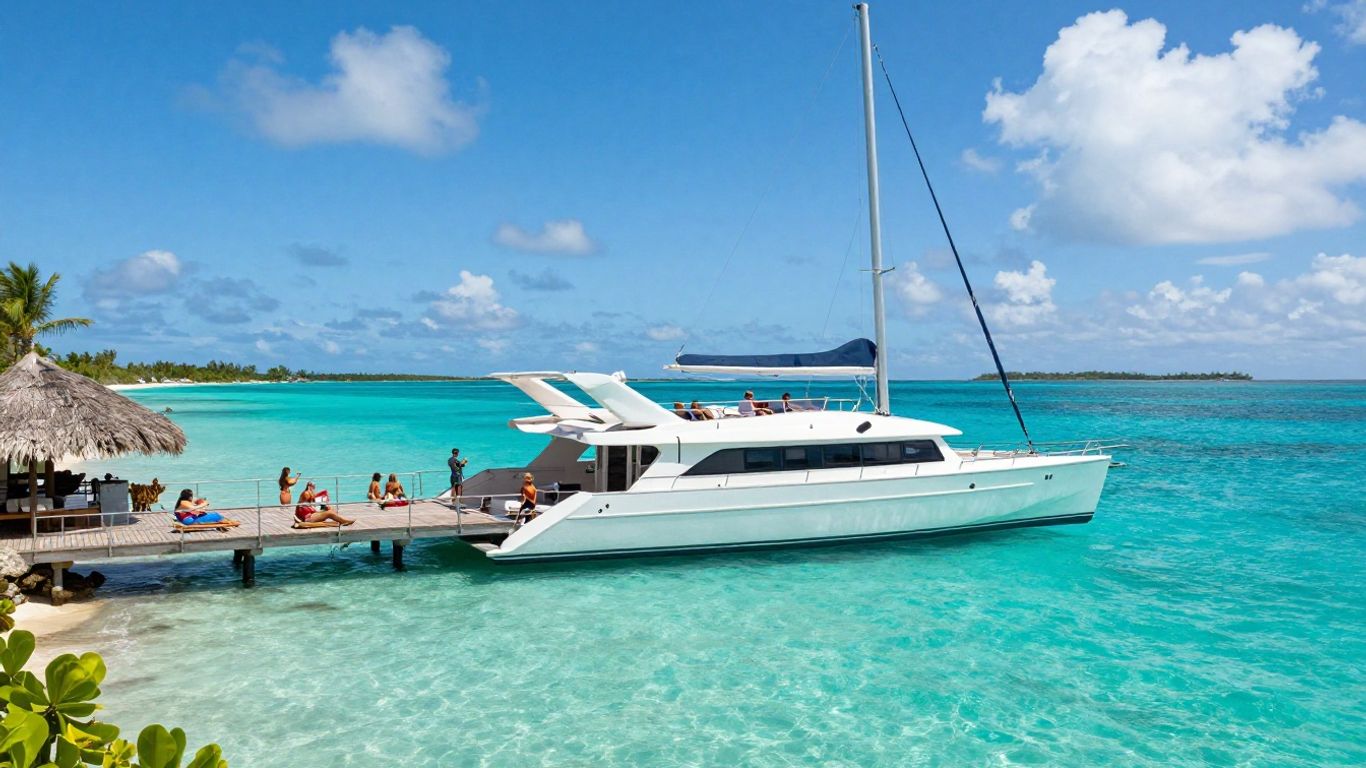
Sailing through the Caribbean on a catamaran opens up a whole world of unique things to do. It’s not just about coastline views and warm breezes—every day can bring a memorable adventure.
Snorkeling with Marine Life
Beneath the surface, you’ll find an entirely different universe. Expect to spot colorful fish, sea turtles, and curious rays gliding along bright reefs. Popular spots like Maho Bay in the US Virgin Islands and the Tobago Cays are known for these wildlife encounters—some people say it feels like swimming inside an aquarium. If you’re in the Bahamas, don’t miss out on exploring vibrant marine life just under the surface. Even beginners can join in, since many catamaran trips provide gear and guidance.
- Bring reef-safe sunscreen—it’ll help protect the coral.
- Pack a rash guard if you plan to float for a while.
- Try night snorkeling for a spooky but thrilling view of glowing plankton.
The first time you float over a reef and a sea turtle drifts by, every worry you brought along fizzes away with the bubbles.
Unique On-Water Dining
Forget about restaurant reservations. Freshly-caught seafood is just the start—catamaran trips are all about meals in the open air. Some routes even stop at floating restaurants or quirky on-shore shacks. For a bit of fun, consider a Caribbean cruise with unlimited drinks and snacks; these excursions often feature a DJ and swimming breaks so the party never stops.
- Enjoy a picnic on a secluded beach or even have a barbecue aboard your boat.
- Some catamaran crews love to prepare local recipes for their guests.
- Don’t leave without trying conch fritters or fresh mango salsa—simple, perfect beach food.
Exploring Historic Shipwrecks
The Caribbean has its share of sunken stories. Adventure-seekers can snorkel above famous shipwrecks like the Cartanza, or find smaller, less-traveled sites that are home to colorful fish and mysterious relics. Some wrecks sit in shallow water, making them easy to explore even if you’re not a diver.
Here’s a quick look at a few top wreck sites:
| Wreck Name | Island Location | Depth (ft) | Notable Features |
|---|---|---|---|
| Cartanza | US Virgin Islands | 20-30 | Coral growth, history |
| RMS Rhone | British Virgin Islands | 30-80 | Movie scenery |
| Kodiak Queen | British Virgin Islands | 60 | Art reef sculpture |
- Bring an underwater camera—you’ll want the proof.
- Listen for stories from your crew. Some know local legends about these sites.
- Watch out for currents—some places have stronger waters around the wrecks.
Hop off the boat and try what calls to you, whether that’s gliding next to a turtle, tasting just-caught fish under the stars, or swimming over ancient shipwrecks. You’ll come back with more than souvenirs—you’ll have the kind of memories that stick for years.
Booking Your Ultimate Caribbean Catamaran Trips
You’ve made it this far dreaming about sailing between white-sand beaches and lively island towns—now it’s time to actually book your catamaran adventure. Here’s how to make the process smooth, fun, and stress-free.
Selecting the Perfect Yacht
The first step? Find the boat that’ll feel like your floating home for a week (or longer). Picking out a catamaran isn’t just about looks or price—it’s about how you want to live on the water. Space, comfort, and amenities can make or break your trip.
- Size & Layout: Think about the number of cabins, bathrooms, and how much privacy your group needs.
- Crew: For crewed trips, read up on the team who’ll take care of you—sometimes those extra touches (like a chef who makes the best rum cake) really matter.
- Features: Want paddle boards, air conditioning, or lots of shade? Jot down your must-haves.
- Age of Vessel: Newer catamarans tend to offer more comfort and better energy efficiency.
Here’s a quick table for reference:
| Catamaran Type | Best For | Typical Weekly Rate |
|---|---|---|
| Bareboat (no crew) | Experienced sailors, privacy | $5,000–$10,000+ |
| Crewed (with captain/chef) | No sailing needed, relax mode | $12,000–$25,000+ |
For more details on options and current rates, you can rent a catamaran in the Caribbean for as little as $157 per day, with loads of boats to compare.
Everyone’s idea of the perfect boat is different—don’t be afraid to ask lots of questions and compare a few choices before reserving.
Ensuring Peace of Mind with Insurance
Let’s be honest—accidents happen, even in paradise. Making sure you have the right insurance can save a lot of headaches.
- Travel Insurance: Covers you for trip interruptions, medical needs, or last-minute cancellations.
- Charter Insurance: Some charters need a security deposit, but you can often pay for a waiver that covers damage to the boat.
- Liability Coverage: Most reps make sure you’re protected, but double check what’s included.
Pack and prepare, but also look into your policy details, so if something unexpected pops up (say, you drop your phone overboard or miss a connecting flight), you’re not scrambling for solutions.
Leveraging Expert Booking Services
Booking a catamaran isn’t like snagging a hotel room—there are more moving parts. A good booking service sorts out the details and helps you avoid common pitfalls.
Here’s why using a trusted agent matters:
- Transparent pricing: All costs (crew, fuel, dockage, tips) are laid out in advance, so there are no wild surprises.
- Personalized matching: Not every group has the same needs. A real expert listens and finds the best fit for your group size, vibe, and must-haves.
- Support—before and during your trip: Sometimes plans shift or things come up. Having a support team can make reroutes or changes simple, not stressful.
And if the whole process seems overwhelming, there are plenty of platforms out there where you can explore Caribbean catamaran options by price, features, and destination—all in one spot.
Booking in advance (especially six to twelve months out for peak season) saves you from missing out on top boats.
So, if you’ve got a week (or more) and want to create new stories—start looking early, ask questions, and make sure everything’s in writing. The rest? That’s just smooth sailing.
Ready for Your Caribbean Escape?
So, you’ve read all about the amazing possibilities a catamaran trip in the Caribbean offers. From the stunning beaches of the BVI to the turtle-filled waters of the Grenadines, there’s a perfect adventure waiting for you. It’s more than just a holiday; it’s a chance to really disconnect and explore these beautiful islands at your own speed. Whether you’re looking for total relaxation or a bit of excitement, a week on a catamaran is an experience you won’t soon forget. Start planning your dream trip today and get ready to discover your own piece of paradise.
Frequently Asked Questions
How far in advance should I book my Caribbean catamaran trip?
It’s a good idea to book your trip about 6 to 12 months ahead, especially if you want to travel during the busy season from December to April. Sometimes, you can find last-minute deals, but booking early gives you the best choices.
Do I need to know how to sail to go on a catamaran trip?
Not at all if you choose a trip with a crew! The captain and crew will handle all the sailing. If you’re thinking about renting a boat yourself (called a bareboat charter), then yes, you’ll need to show you know how to sail safely.
What should I pack for a catamaran trip?
Pack light, soft bags are best. Bring reef-safe sunscreen, rash guards to protect your skin from the sun, and anything you need for seasickness. You won’t need a lot of fancy clothes. Most boats have snorkeling gear and water toys already.
Are there any extra costs I should know about?
We try to be upfront about all costs. Besides the main charter fee, you might have to pay for docking fees, fees for entering national parks, and tips for the crew if you had a great time. We’ll make sure you know about these before you book.
Can I suggest where we go on the trip?
Absolutely! You can work with our team and your captain to create a trip plan that fits what you want to see and do. We’ll also consider the weather to make sure you have the best experience possible.
What makes a catamaran a good choice for a Caribbean trip?
Catamarans are super stable and spacious, meaning less rocking and more room to relax. They can also get into shallower waters, letting you explore hidden coves and beaches that bigger boats can’t reach. Plus, they’re great for families and groups!