Key Takeaways
Planning a sailing trip through the Bahamas requires careful consideration of weather, navigation, and local regulations. By focusing on smart timing and proper documentation, you can enjoy a seamless experience in one of the world’s most beautiful archipelagos.
- Visit during the shoulder season to avoid summer crowds and hurricane risks.
- Master visual sight-navigation to safely navigate the shallow, clear sandbanks.
- Choose a vessel that matches your crew’s experience and comfort requirements.
- Ensure you carry all necessary permits and customs paperwork for Bahamian waters.
- Respect the local marine environment by practicing leave-no-trace waste disposal.
Choosing the best time for Exuma sailing
Selecting the right window for your voyage is critical to the quality of your experience as a captain or passenger. While the region is beautiful year-round, seasonal fluctuations in temperature and sea state significantly impact your daily itinerary. Planning your visit effectively allows you to balance the need for sunshine with the reality of varying weather hazards that can influence your route.
Peak season versus shoulder season trade-offs
Peak season typically spans from December through April, offering dry weather and more consistent trade winds, which many sailors find ideal. However, this period brings more vessels to the popular anchorages and marinas, which may feel crowded for those seeking solitude. Conversely, the shoulder months of May and November often provide a quieter experience, where you can Discover the breathtaking beauty of the islands without navigating a sea of other charter yachts.
Understanding Bahamian hurricane season
Tropical weather is a serious factor, with the official hurricane season running from June through November. While sophisticated forecasting provides early warnings, many charter companies restrict or discourage sailing during the heart of this period. Prioritize consulting insurance policies and marina availability if you choose to sail during late summer or early fall.
Weather patterns and wind stability
Steady easterly and southeasterly winds dominate the Exuma region, keeping the sea lanes active and refreshing. These winds are generally reliable, but wind-against-tide scenarios can create somewhat choppy conditions in the narrow channels between cays. You should always check daily meteorological reports before departing your dock, as local squalls can develop quickly even during fair weather cycles.
Balancing crowd levels with optimal sailing conditions
Finding the sweet spot often involves analyzing your priorities regarding social activity versus physical seclusion. If you value anchorages all to yourself, adjust your schedule to visit during the transition weeks when the tourist volume ebbs. Keeping your Discover your preferred itinerary flexible allows you to divert to less populated regions if popular spots appear overly congested.
Essential navigation tips for the Exuma Cays
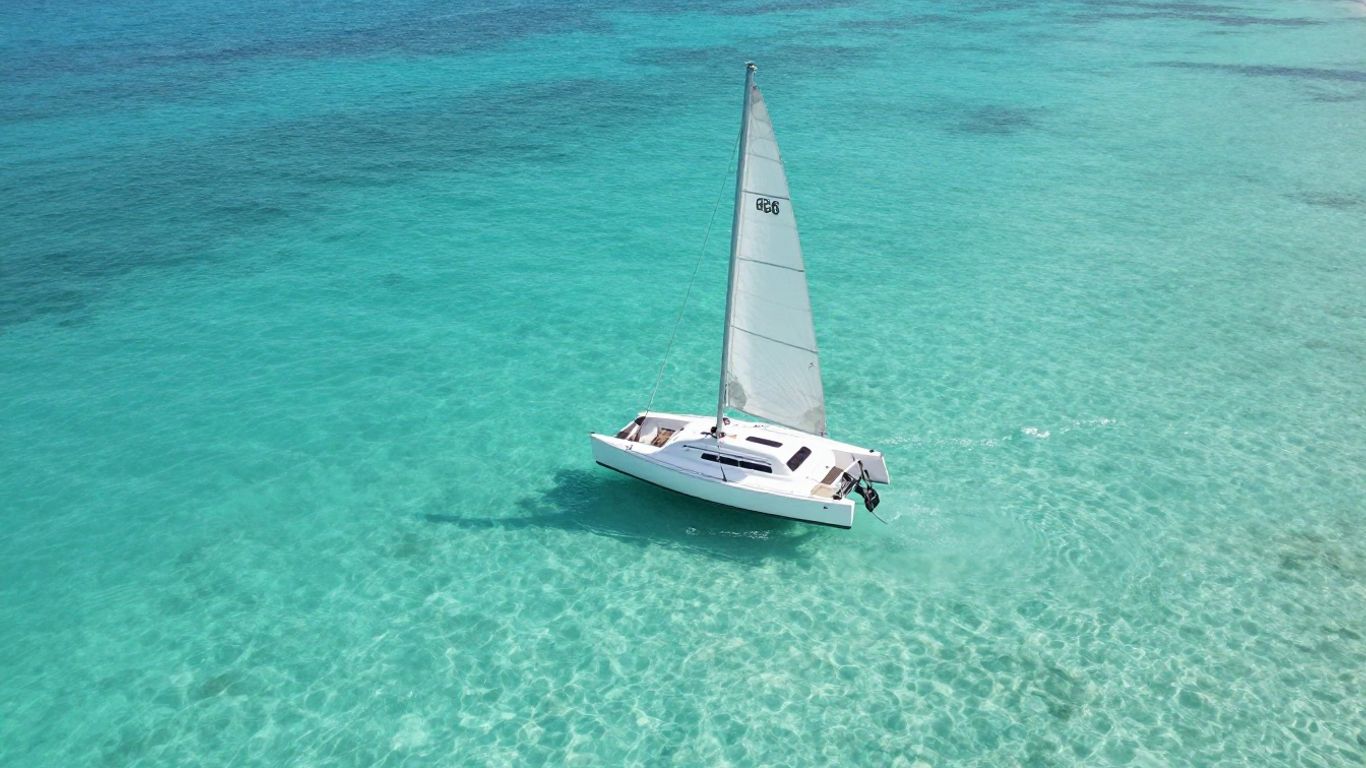
Navigating the Exumas is a unique challenge because the water depths change rapidly and often drastically over small distances. Unlike deep-water sailing in the open ocean, here you must remain constantly aware of the seabed, which shifts due to tides and sand movement. Relying on a combination of electronic aids and your own eyes is the most effective approach for any captain aiming to move safely through this shallow nautical maze.
Reading shallow water depths
Interpretation of water color is the most important skill you can develop while sailing here, as the shades of blue accurately reflect the depth. Dark blue indicates deep water or channels, while light turquoise or white signifies sandbars and shallow banks. Keeping a constant watch from the bow is safer than looking at a screen.
Understanding tidal currents in the islands
Strong tidal flows pull through the cuts between the cays, moving massive volumes of water twice daily. Tides can create powerful currents that make entering or exiting a harbor difficult, especially for low-powered vessels. It is essential to account for these forces when planning your arrival or departure times from any specific destination.
Relying on visual navigation versus GPS
Electronic GPS provides a base location, but it is not a substitute for seeing the bottom of the ocean. Sandbanks migrate, and localized hazards such as coral heads may not be accurately marked on commercial charts. Always cross-reference your electronic data with what you see against the sun, as glare can deceive the eye over shallow banks.
Managing draft limitations in the sandbars
Understanding the physical limits of your vessel is vital, as the stunning Exuma Cays with Out-Island Explorers can be quite restrictive for deep-keeled boats. Below is a standard approach to managing your vessel’s draft across these shifting sand zones.
| Feature | Management Strategy | Priority Level |
|---|---|---|
| Deep Draft Vessels | Stick to marked channels | High |
| Shallow Draft Vessels | Use tide tables for crossings | Moderate |
| Sandbar Hazards | Avoid at lowest tide | Critical |
By following these procedures, you navigate safely and maintain the integrity of your vessel’s hull consistently.
Selecting the perfect yacht charter
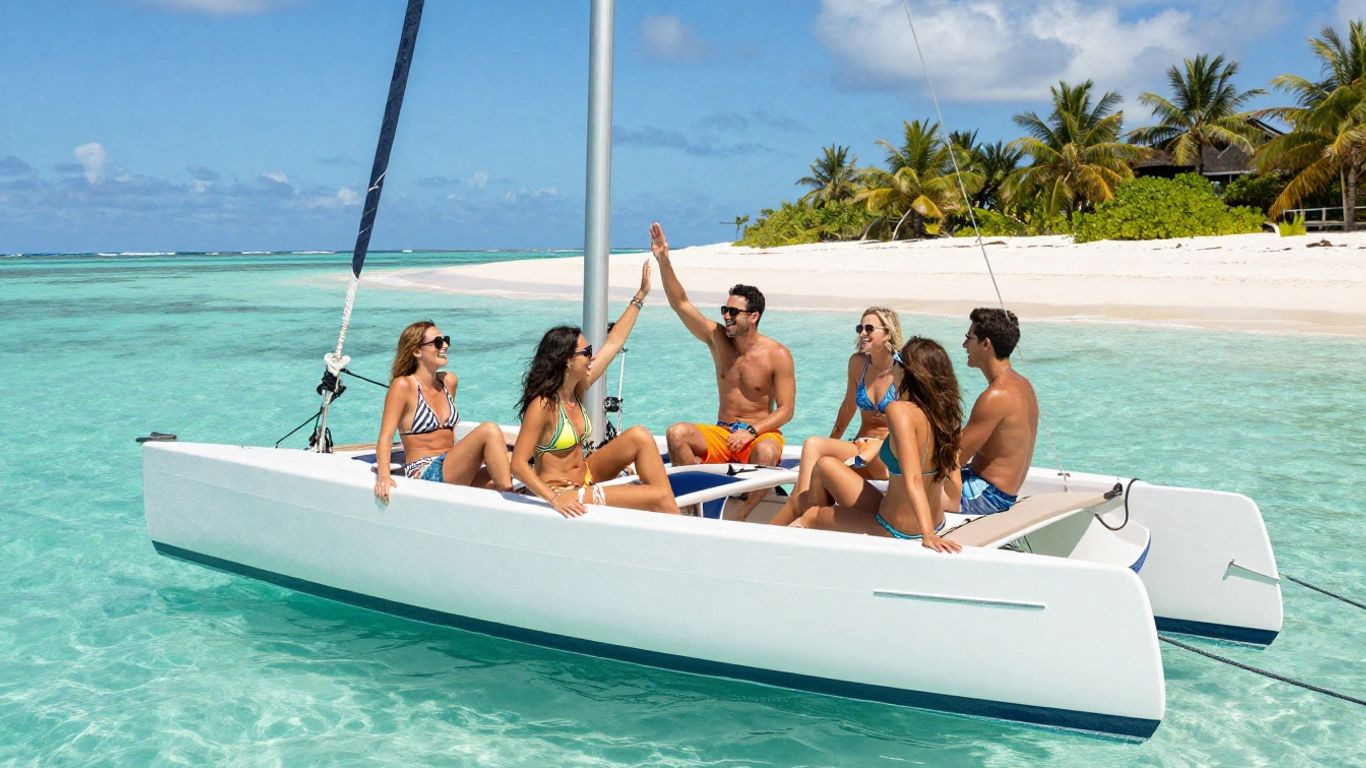
Choosing the right boat sets the tone for your entire vacation, as your chosen platform dictates your comfort and reach. When booking, consider factors such as draft depth, interior space, and whether you want the independence of managing your own vessel or the ease of a professional crew. Your choice between different charter models can significantly impact your access to limited harbor spaces and secluded beach coves.
Catamarans versus monohulls for the Bahamas
Catamarans provide excellent stability and a shallow draft, which is often a major advantage in the shallow banks of the Bahamas. Monohulls, on the other hand, offer a more traditional "feel" and can be easier to maneuver in tight marinas. For those seeking a unique way to explore, many consider the expertise of Amarok Sailing Charters to help guide their choice of vessel.
Bareboat options versus crewed luxury charters
Self-skippered bareboat charters offer the highest level of freedom but require a high degree of technical competence and confidence. Luxury crewed charters allow guests to focus entirely on relaxation, with professional staff managing navigation, meals, and safety. There is no right answer, as your decision should match your level of sailing experience and your desire for privacy versus service.
Key equipment to verify before departing
Before you clear the dock, ensure the vessel carries adequate ground tackle sufficient for the local sandy bottom. You should also verify that the dinghy and its outboard engine are in good working condition, as you will rely on this equipment daily for shore excursions. Confirm that the boat has updated charts, a VHF radio, and enough fuel to reach your next planned stop.
Provisioning strategies for remote islands
Supply options decrease significantly as you move away from larger settlements like Nassau or Georgetown. Planning ahead is the most effective way to ensure your kitchen is well-stocked for the duration of your trip, as restocking in remote cays is rarely an option. Developing a structured meal plan helps you manage storage space and minimize waste on board.
Top destinations to include on your itinerary
There are numerous stops throughout the chain that provide distinct experiences, ranging from high-energy wildlife encounters to quiet, empty stretches of sand. Planning your route to include a mix of these highlights ensures a well-rounded holiday. Keep in mind that distance between these locations can vary, so prioritize the spots that most interest your crew.
Exploring Staniel Cay and Thunderball Grotto
Staniel Cay serves as a central hub for many cruisers, offering a marina, a shop, and the famous Thunderball Grotto. This underwater cave system, made famous by cinema, is a vibrant spot for snorkeling. It is best visited at slack tide to avoid being pushed around by the strong water flow that rushes through the cavern entrances.
Visiting the swimming pigs at Big Major Cay
Visiting the swimming pigs at Big Major Cay is perhaps the most iconic activity in the region. These animals, which have lived on the cay for years, are accustomed to visitors but should always be approached with respect. Keep your interactions limited to observing from a distance or following local guidance to ensure their welfare remains a priority.
Wildlife encounters and shark spotting at Compass Cay
Compass Cay is well known for its friendly nurse shark population that greets visitors at the marina dock. While these sharks are generally docile, practicing caution and keeping your hands out of the water is essential for your safety. It is a fantastic opportunity to see large marine life in a controlled, natural harbor setting.
Relaxing on the uninhabited beaches of Shroud Cay
Shroud Cay is part of a protected park and offers access to vast mangrove creeks that are perfect for kayaking or exploring by dinghy. The beaches here remain largely untouched, providing a serene environment for beach-combing and quiet reflection. You should also look into unique journeys like those offered by Sailing Collective Travel Co. to see secluded spots like this.
Managing logistics and local regulations
Managing the operational side of your trip ensures that every aspect of your journey remains within the bounds of local policy. While the Bahamas is welcoming, officials do require specific protocols for visiting vessels. Staying compliant keeps the islands protected for future generations and minimizes friction during your trip.
Clearing customs and immigration procedures
All vessels entering Bahamian waters must fly a yellow Q-flag and proceed immediately to a port of entry to clear customs. You will need to provide information on your vessel, cargo, and crew members. Have your registration, passports, and clearance paperwork ready to streamline the process for immigration officials.
Understanding cruising permits and national park fees
Your cruising permit covers your ability to navigate and anchor throughout the islands, while specific national parks—like the Exuma Cays Land and Sea Park—require additional fees. These funds directly support conservation and marine management efforts. Always carry your digital or hard-copy receipt of payment to present to park rangers who may stop by your anchorage.
Practicing responsible waste management and environmental protection
Keeping the islands pristine requires active effort from every visitor, particularly regarding waste. We follow these simple rules to ensure we do not harm the delicate marine life:
- Store all plastic and non-biodegradable trash on board until you reach a major disposal facility.
- Use environmentally friendly soaps and detergents to minimize organic impact.
- Avoid dumping gray or black water in confined harbors or protected areas.
- Adhere to catch-and-release protocols for all wildlife to keep ecosystems balanced.
The environment is incredibly sensitive and benefits greatly from these conscientious habits.
Staying connected and informed while off the grid
Maintaining a communication plan allows you to stay updated on weather or family emergencies while remaining "off the grid." Most of the major cays have cellular coverage, though your signal may drop as you venture into more remote areas. Carry a backup satellite communicator if you intend to travel outside major areas or stay for an extended period, as it provides a reliable safety net when cell towers are unreachable.
Conclusion
Sailing through the Exumas is an experience defined by crystal-clear waters, vibrant marine life, and the unique freedom of life at sea. By focusing on smart navigation, respectful habits, and thorough planning, you transform a simple sailing trip into a truly memorable adventure.
Frequently Asked Questions
Do I need a professional captain to sail the Exumas?
No, you do not necessarily need a professional captain to sail in the Exumas. Experienced sailors often enjoy the independence of a bareboat charter, but if you lack specific experience sailing in shallow, tidal-affected waters, hiring a local captain is a very common and safe alternative.
Are there grocery stores available in the cays?
Grocery availability is limited in the more remote out-islands compared to major hubs like Nassau. You should stock up on fresh produce, meats, and pantry staples in larger towns before heading out, as small island shops may only offer basics.
What is the best way to handle trash on a boat?
Responsible boaters should store all waste on board and dispose of it only at designated port facilities. Always avoid discharging any trash, including biodegradable material, into the pristine anchorages where it can harm the local reefs and marine ecosystems.
How shallow are the waters in the Exumas?
Many parts of the Exuma banks are very shallow, often under six feet at low tide. Navigational charts and tidal data are essential tools for ensuring that your vessel’s draft does not conflict with the shallow sandbanks present throughout your route.
Can I fly drones in the Exuma Cays?
Drone usage within the Exuma Cays Land and Sea Park is subject to strict regulations to protect wildlife. Always check with the local park administration or your charter operator for current rules, as unauthorized drone operation can lead to fines and disrupt local bird colonies.
Do I need to be a strong swimmer?
While you do not need to be an Olympic athlete, you should definitely be a comfortable swimmer, as your trip will involve many water-based activities. The ability to snorkel and maneuver from your dinghy back to the boat is a fundamental safety requirement for every person on board.
Is early reservation necessary for marinas?
Yes, securing a dock space well in advance is highly recommended, especially during the busy peak season. Popular marinas fill up quickly, and having a pre-arranged slip provides significant peace of mind when you arrive at a new destination after a long day of sailing.