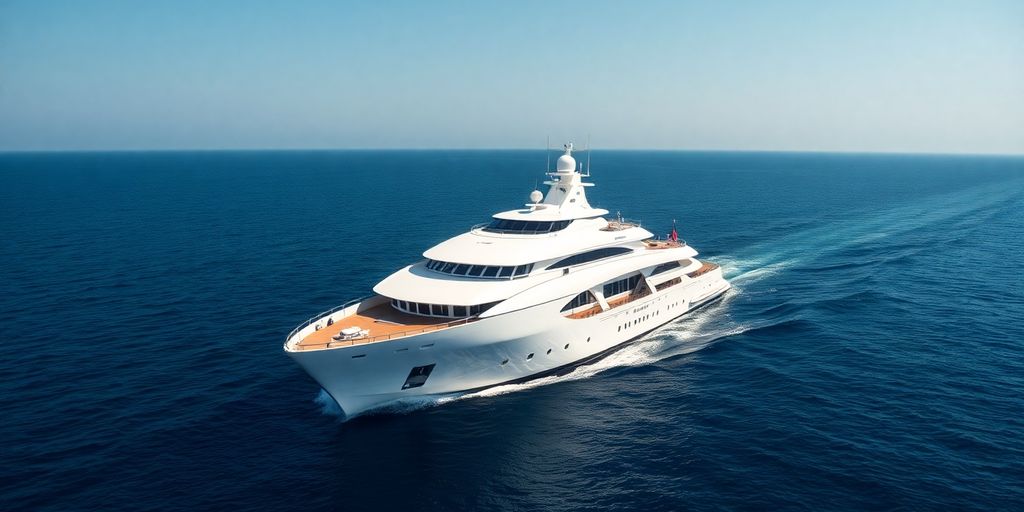
Ever wonder about those massive yachts you see in fancy magazines or on TV? They’re not just big boats; they’re like floating palaces, packed with amazing stuff. We’re talking about the largest yacht in the world and others that are almost as big. We’ll check out what makes them so special, who owns them, and how they even get built. It’s pretty wild to think about.
Key Takeaways
- The yacht called Azzam is currently the largest yacht in the world, built by Lürssen, a top shipyard.
- Other huge yachts like Fulk Al Salamah, Dubai, and Blue also show off incredible size and design.
- These giant yachts come with all sorts of fancy features, from huge waterslides to private cinemas.
- Owning or renting one of these superyachts costs a lot of money, making them a playground for the super-rich.
- Building these massive boats takes years of hard work and a ton of people, pushing what’s possible in ship design.
Unveiling The Largest Yacht In The World
Azzam: The Reigning Champion
For years, the title of the world’s largest yacht has belonged to Azzam. Measuring a staggering 180 meters (590 feet) in length, this superyacht dwarfs many other vessels on the water. Delivered in 2013 by Lürssen, Azzam has maintained its position at the top, showcasing incredible engineering and design. Its sheer size and impressive features make it a true marvel of modern yacht construction. It’s not just about length, though; the yacht’s beam (width) and draft (depth below the waterline) contribute to its overall volume and stability.
Lürssen's Dominance in Superyacht Construction
When it comes to building the world’s largest and most luxurious yachts, one name consistently comes up: Lürssen. This German shipyard has a long and storied history of crafting exceptional vessels, and their expertise is evident in the number of superyachts they’ve delivered. Lürssen isn’t just about building big; they’re about pushing the boundaries of what’s possible in terms of design, engineering, and technology. Their yachts are known for their quality, innovation, and attention to detail. In fact, Lürssen claims 13 of the 25 world’s largest yachts. Here are some reasons for their success:
- Cutting-edge technology
- Highly skilled workforce
- Commitment to innovation
The Engineering Marvel of Azzam
Azzam isn’t just a pretty face; it’s a testament to incredible engineering. Powering this massive vessel are two gas turbines and two diesel engines, allowing it to reach impressive speeds. The yacht’s design also incorporates advanced stabilization systems to ensure a smooth and comfortable ride, even in rough seas. The combination of a steel hull and aluminum superstructure provides strength and reduces weight, optimizing performance. The design secrets of Azzam are truly impressive.
The construction of a yacht like Azzam requires a massive team of engineers, designers, and skilled craftsmen working together seamlessly. It’s a complex undertaking that involves years of planning, design, and execution.
Beyond Azzam: Other Notable Giants
While Azzam holds the crown, several other superyachts compete for recognition in terms of size, luxury, and innovation. These vessels represent the pinnacle of maritime engineering and design, offering their owners unparalleled experiences on the water. Let’s take a look at some of these impressive yachts.
Fulk Al Salamah: The Enigmatic Second Longest
Fulk Al Salamah is often shrouded in secrecy. Very little information is publicly available about this yacht, making it an intriguing figure in the world of superyachts. Built by Mariotti Yachts, it serves as a support vessel to the Omani royal yacht Al Said. Its sheer size commands respect, even if its features remain largely unknown. It’s interesting how much mystery surrounds this vessel, considering its prominence.
Dubai: A Royal Yacht with Grand Features
Dubai, owned by Sheikh Mohammed bin Rashid Al Maktoum, the ruler of Dubai, is another giant in the yachting world. This yacht boasts impressive features, including:
- A mosaic-tiled swimming pool
- A circular glass staircase
- A helipad
- Numerous jacuzzies
The interior is known for its opulence, reflecting the lavish lifestyle associated with its owner. Dubai is not just a yacht; it’s a floating palace, designed for both private use and official entertaining.
Blue: A New Contender in Size
Blue is a relative newcomer to the list of largest yachts, delivered by Lürssen. This vessel showcases modern design and advanced technology. It’s a testament to the ongoing evolution of superyacht construction. The yacht’s features include:
- A large beach club
- Multiple dining areas
- A dedicated wellness center
Blue represents a new generation of superyachts, focusing on both luxury and performance. It’s interesting to see how superyacht construction is evolving to meet the demands of modern owners.
Luxury Features Onboard The Largest Yachts
Lavish Amenities and Entertainment Spaces
When you’re talking about the biggest yachts in the world, you’re not just talking about size; you’re talking about a whole different level of luxury. These aren’t your average boats; they’re floating palaces designed to cater to every whim. Think multiple swimming pools, not just one. We’re talking about full-sized gyms, movie theaters that rival your local cinema, and spas that could put a five-star resort to shame. Some even have recording studios! The goal is to create an environment where you never have to leave, and honestly, why would you want to?
- Multiple swimming pools (indoor and outdoor)
- Fully equipped gyms and wellness centers
- Private cinemas and entertainment lounges
Advanced Technology and Design
It’s not just about the bling; these yachts are packed with cutting-edge technology. We’re talking about advanced navigation systems, stabilization technology that makes even the roughest seas feel smooth, and communication systems that keep you connected no matter where you are. The design is also next-level, with architects and designers pushing the boundaries of what’s possible on the water. They use materials and techniques that are both beautiful and functional, creating spaces that are as comfortable as they are stunning. The Dilbar yacht is a great example of this.
Exclusive Toys and Watercraft
What’s a superyacht without a few toys? These yachts come equipped with everything you need for fun on the water. Think jet skis, speedboats, and even submarines. Some have inflatable water parks that can be deployed right off the back of the boat. And of course, there are the tenders – smaller boats used to ferry guests to shore. These aren’t your average dinghies; they’re often luxurious and high-performance, designed to get you where you need to go in style. It’s all about having the freedom to explore and enjoy the water however you want. Chartering a superyacht experience is a great way to enjoy these features.
The level of detail and customization on these yachts is insane. Everything is tailored to the owner’s specific preferences, from the artwork on the walls to the type of coffee they drink. It’s a true reflection of their personality and lifestyle.
The Billionaire's Playground: Ownership And Charter
Private Ownership of the Largest Yachts
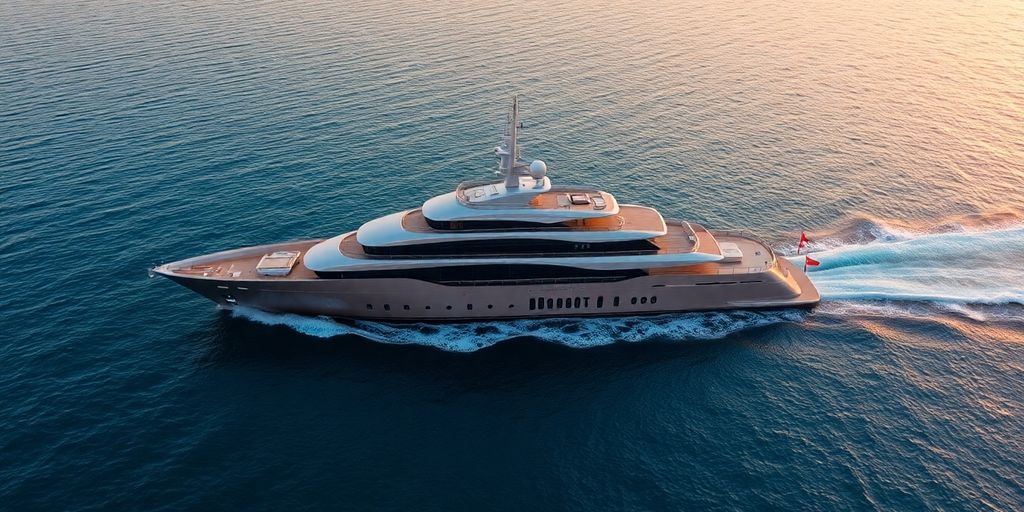
Owning one of the world’s largest yachts is the ultimate status symbol, a testament to unimaginable wealth and a desire for unparalleled privacy. These floating palaces are rarely just about transportation; they’re about creating a self-contained world of luxury and exclusivity. The owners are a diverse group, ranging from tech moguls and real estate tycoons to individuals with inherited wealth. They seek the freedom to travel the globe on their own terms, far from the prying eyes of the public. The Topaz yacht, for example, is owned by Mansour bin Zayed Al Nahyan.
Chartering a Superyacht: An Exclusive Experience
For those who don’t want the full commitment (or expense) of owning a mega-yacht, chartering offers a taste of the superyacht lifestyle. Chartering a superyacht is like renting a floating mansion, complete with a crew catering to your every whim. It’s an experience reserved for the ultra-wealthy, but it provides access to a level of luxury and personalized service that’s hard to find anywhere else. Here are some things you can expect when chartering:
- Bespoke itineraries tailored to your preferences.
- A dedicated crew, including a captain, chefs, stewards, and deckhands.
- Access to exclusive destinations and secluded anchorages.
- Onboard amenities like swimming pools, jacuzzis, and water sports equipment.
Chartering a superyacht isn’t just about the boat; it’s about the entire experience. It’s about creating unforgettable memories with family and friends in some of the most beautiful locations on Earth. It’s about escaping the ordinary and embracing a world of unparalleled luxury and adventure.
The Cost of Unparalleled Luxury
The price tag associated with the largest yachts is staggering. Beyond the initial purchase price, which can easily reach hundreds of millions of dollars, there are significant ongoing costs. These include:
- Maintenance: Regular upkeep, repairs, and refits can cost millions annually.
- Crew Salaries: A large yacht requires a substantial crew, and their salaries are a major expense.
- Fuel: Filling up the tanks of a mega-yacht is an expensive undertaking.
- Insurance: Insuring a vessel of this size is a costly necessity.
| Expense | Estimated Annual Cost |
|---|---|
| Maintenance | $5 – $10 million |
| Crew Salaries | $2 – $5 million |
| Fuel | $1 – $3 million |
| Insurance | $500k – $1 million |
Owning or chartering a superyacht is an investment in a lifestyle of unparalleled luxury and freedom. It’s a world where money is no object and the possibilities are endless. Some people buy large yachts for status, but others value the privacy.
The Construction Process Of Mega Yachts
Leading Shipyards in Superyacht Building
When you think about where these massive yachts come from, a few names pop up repeatedly. These aren’t your average boat builders; they’re specialized shipyards with the facilities and expertise to handle projects that are basically floating mansions. Think of places like Lürssen, Feadship, and The Italian Sea Group. These shipyards have a long history of pushing the boundaries of what’s possible in yacht design and construction. They’re known for their quality, innovation, and ability to deliver incredibly complex projects on time (or, well, relatively on time, considering the scale).
It’s not just about having a big space to build; it’s about having the skilled workforce, the advanced technology, and the project management capabilities to coordinate hundreds of different subcontractors and suppliers. These shipyards are like the general contractors of the sea, orchestrating a massive undertaking from start to finish.
Years of Meticulous Craftsmanship
Building a mega yacht isn’t a quick process. We’re talking years, not months. From the initial design phase to the final sea trials, it can easily take three to five years, or even longer for particularly ambitious projects. The GX42 Superyacht construction is expected to be delivered in 2026, years after the project started. This timeline reflects the sheer complexity of the work involved. It’s not just about slapping some fiberglass together; it’s about creating a bespoke masterpiece that meets the owner’s every desire.
Here’s a simplified breakdown of the typical timeline:
- Design & Engineering (6-12 months): Conceptualization, naval architecture, interior design, and detailed engineering plans.
- Hull Construction (12-18 months): Building the hull and superstructure, often from steel or aluminum.
- Outfitting (18-36 months): Installing all the systems (electrical, plumbing, HVAC), fitting out the interior, and adding all the amenities.
- Sea Trials & Delivery (2-6 months): Testing the yacht’s performance and making any necessary adjustments before handing it over to the owner.
The Scale of Man-Hours Involved
The number of man-hours that go into building a mega yacht is staggering. We’re talking hundreds of thousands, if not millions, of hours of work. Every aspect, from welding the hull to stitching the leather upholstery, requires skilled labor and meticulous attention to detail. It’s a massive undertaking that involves a wide range of tradespeople, including welders, electricians, plumbers, carpenters, painters, and interior designers. The super yacht crew are also important, and owners are willing to pay them well.
To give you an idea, consider this hypothetical (but realistic) breakdown:
| Task | Estimated Man-Hours |
|---|---|
| Hull & Superstructure | 150,000 – 300,000 |
| Electrical Systems | 50,000 – 100,000 |
| Plumbing & HVAC | 30,000 – 60,000 |
| Interior Fit-Out | 100,000 – 200,000 |
| Painting & Finishing | 20,000 – 40,000 |
| Total | 350,000 – 700,000+ |
Design Innovations In The Largest Yachts
Exterior Aesthetics and Naval Architecture
The exterior design of mega yachts is a complex blend of aesthetics and functionality. It’s not just about looking good; it’s about performance, stability, and efficiency on the water. Naval architects are constantly pushing boundaries with hull designs, often incorporating longer waterlines and inverted bows to improve speed and reduce drag. These innovations aren’t just for show; they directly impact the yacht’s fuel consumption and overall performance. The use of materials like Kevlar and carbon fiber is also becoming more common to reduce weight and improve efficiency. It’s a constant balancing act between form and function, where every curve and angle serves a purpose.
Interior Design and Bespoke Finishes
Interior design on these yachts goes far beyond simple luxury. It’s about creating a personalized space that reflects the owner’s taste and lifestyle. Designers are using innovative techniques to maximize space and natural light, such as mirrored ceiling panels and strategically placed reflective surfaces. Full-height windows are a must, maintaining a visual connection with the marine environment. Material selection is also key, with an emphasis on durability and aesthetic coherence. You’ll often see a combination of neutral tones with contrasting accents, complemented by natural materials like teak, oak, and leather. It’s all about creating a refined and comfortable atmosphere for extended cruising.
The level of customization in these yachts is truly remarkable. Owners are involved in every detail, from the layout of the rooms to the choice of fabrics and finishes. It’s a collaborative process that results in a truly unique and personalized space.
Balancing Size with Performance
One of the biggest challenges in designing large yachts is balancing size with performance. It’s not enough to simply build a bigger boat; it needs to be efficient, stable, and easy to handle. This requires careful consideration of the yacht’s weight distribution, hull design, and propulsion system. Hybrid and electric propulsion systems are becoming increasingly popular, offering a more sustainable and efficient way to power these massive vessels. The integration of advanced technology, such as dynamic positioning systems and advanced navigation equipment, also plays a crucial role in ensuring safe and efficient operation. It’s a complex engineering challenge that requires a multidisciplinary approach.
Here’s a quick look at some key design considerations:
- Hull Design: Optimizing for speed, stability, and fuel efficiency.
- Material Selection: Balancing weight, strength, and aesthetics.
- Propulsion Systems: Exploring hybrid and electric options for sustainability.
- Interior Layout: Maximizing space and natural light.
It’s interesting to see how the industry is evolving, with new technologies and design concepts constantly being introduced. The superyacht industry news is always buzzing with the latest innovations, and it’s exciting to think about what the future holds for large yacht design.
The Impact Of Superyachts On The Marine Industry
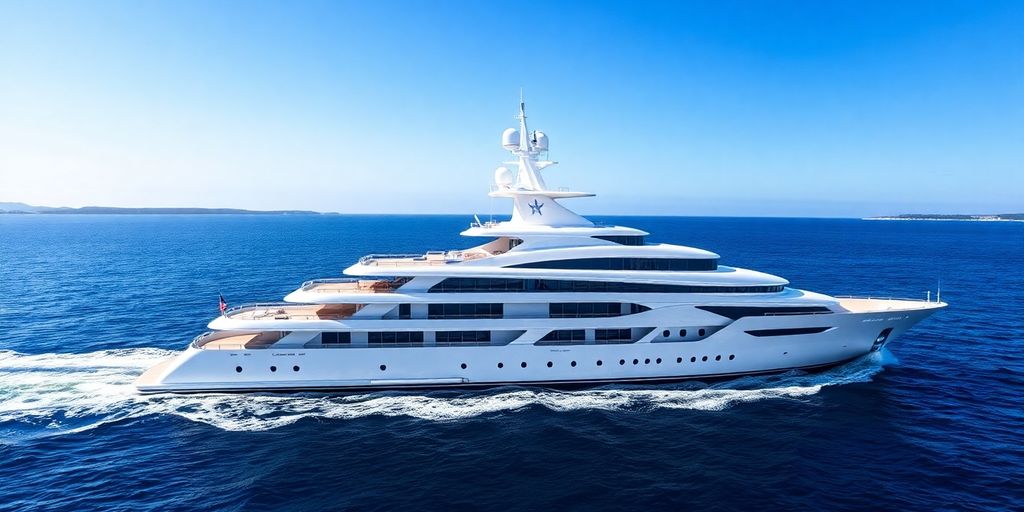
Driving Technological Advancements
Superyachts aren’t just about luxury; they’re also a testing ground for new marine tech. The demand for bigger, faster, and more efficient yachts pushes engineers to innovate. We’re talking about advancements in propulsion systems, hull design, and materials science. These innovations often trickle down to other areas of the marine industry, benefiting smaller vessels and commercial shipping. Think about it – a new type of lightweight composite developed for a superyacht could eventually be used to build more fuel-efficient ferries.
Economic Contributions to Shipyards
The construction and maintenance of superyachts represent a significant economic driver for shipyards and related industries. These projects create jobs for skilled workers, from naval architects and engineers to interior designers and craftsmen. The superyacht refit sector alone is a huge business, with owners constantly upgrading and customizing their vessels.
Here’s a simplified look at the economic impact:
| Sector | Example | Economic Benefit |
|---|---|---|
| Construction | Building a new superyacht | Job creation, material purchases |
| Refitting | Upgrading systems, interior redesign | Specialized labor, new equipment sales |
| Maintenance | Regular servicing, repairs | Ongoing employment, parts replacement |
| Crewing | Hiring captains, engineers, stewards | Salaries, local spending |
The Future of Large Yacht Design
What’s next for superyacht design? It’s likely we’ll see a continued focus on sustainability, with hybrid and electric propulsion systems becoming more common. Expect to see even more integration of smart technology, from automated systems to advanced entertainment options. And, of course, the quest for ever-larger and more luxurious yachts will continue to push the boundaries of what’s possible.
The future of large yacht design is all about balancing opulence with responsibility. Owners are increasingly aware of the environmental impact of their vessels and are looking for ways to minimize their footprint. This is driving innovation in areas like alternative fuels, waste management, and energy efficiency. It’s not just about building the biggest yacht; it’s about building the smartest and most sustainable one.
Wrapping Things Up: The Big Picture of Big Yachts
So, we’ve taken a look at some of the biggest yachts out there, and it’s pretty clear these aren’t just boats. They’re like floating cities, packed with everything you can imagine and then some. From the crazy fast ones to the ones with multiple pools and even submarines, each one is a statement. It really shows what’s possible when you combine a lot of money with some serious engineering and design. These yachts are more than just a way to travel; they’re a whole different world on the water, pushing the limits of what a private vessel can be. It’s wild to think about what they’ll come up with next.
Frequently Asked Questions
What is the biggest yacht in the world?
The largest yacht in the world is currently the Azzam. It’s an amazing boat built by Lürssen, a famous German company. This yacht is super long, like almost two football fields!
Who owns the biggest yachts?
Azzam is owned by a member of the royal family of Abu Dhabi. These huge yachts are usually bought by very rich people or even countries.
How long does it take to build one of these huge yachts?
Building a giant yacht like Azzam takes a really long time, usually several years. It’s like building a floating city, so it needs a lot of careful planning and work.
What kind of cool stuff is on board a superyacht?
These yachts have everything you can imagine! They have fancy living rooms, movie theaters, swimming pools, and even places to land helicopters. Many also have fun water toys like jet skis and small submarines.
Can I rent one of these huge yachts?
Yes, some of the very big yachts can be rented, but it costs a lot of money. We’re talking hundreds of thousands of dollars for just one week! It’s an experience only a few people can afford.
Where are the world's biggest yachts built?
The biggest yachts are built by special shipyards that are known for making luxury boats. Companies like Lürssen in Germany and Fincantieri in Italy are some of the best at building these amazing vessels.